
Network device failures trigger warranty claims at scale—your implementation determines whether processing is fast and accurate or slow and error-prone.
Bruviti deployment data shows AI auto-codes 75-85% of network equipment warranty claims at under 1 minute per claim, replacing the 8-12 minutes manual handling takes. Builders wire the intake API once and the model classifies fault codes, defect types, and RMA reasons, routing only the 15-25% needing human judgment.
Legacy warranty systems lack APIs for real-time entitlement verification. Each claim requires manual database queries across SAP, Oracle, and custom inventory systems, creating bottlenecks and integration debt.
Pre-built fraud detection misses network-specific patterns like firmware downgrade exploitation and serial number manipulation. Training custom models requires labeled data engineering and MLOps infrastructure most teams lack.
Network devices generate syslog, SNMP traps, and performance counters across disparate formats. Building parsers and normalizers for claims validation requires protocol expertise and ongoing maintenance as firmware evolves.
Bruviti provides a Python SDK and REST API that integrates warranty claims processing into existing RMA workflows without requiring system replacement. The platform ingests telemetry data from network devices via SNMP, syslog, or direct API calls, normalizes protocol-specific formats, and exposes structured entitlement and failure data through JSON endpoints. Developers control validation rules, fraud detection thresholds, and RMA routing logic using TypeScript or Python configuration files that deploy independently of the core platform.
The architecture separates claims data ingestion from business logic execution, allowing teams to build custom fraud detection models using historical warranty data without managing MLOps infrastructure. Pre-trained models for network equipment detect common exploitation patterns like firmware downgrade fraud and serial number reuse, while the SDK enables fine-tuning on OEM-specific claims data. Integration points connect to SAP Warranty Management, Oracle Service Cloud, and custom ERP systems through open APIs, avoiding vendor lock-in and preserving existing workflows.
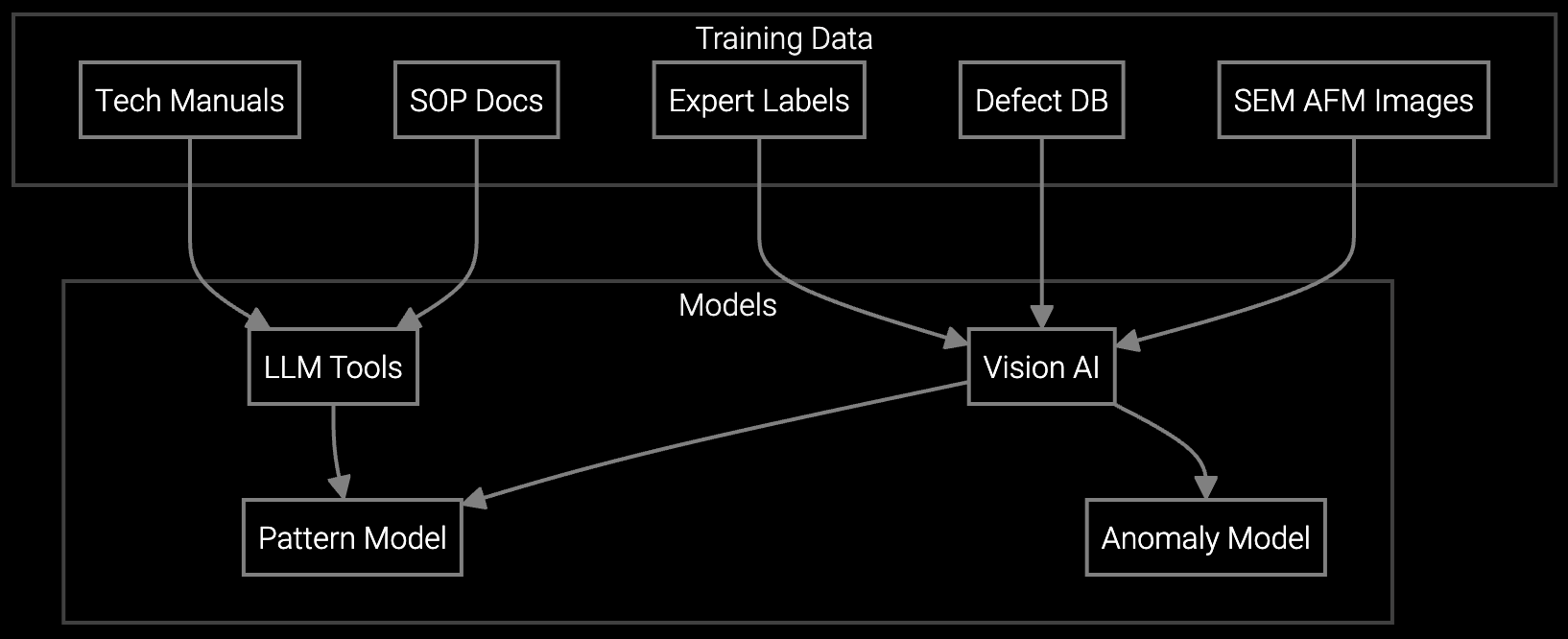
For network hardware with microscopic component failures, AI analyzes SEM images of returned circuit boards to validate claims and classify defect root causes.
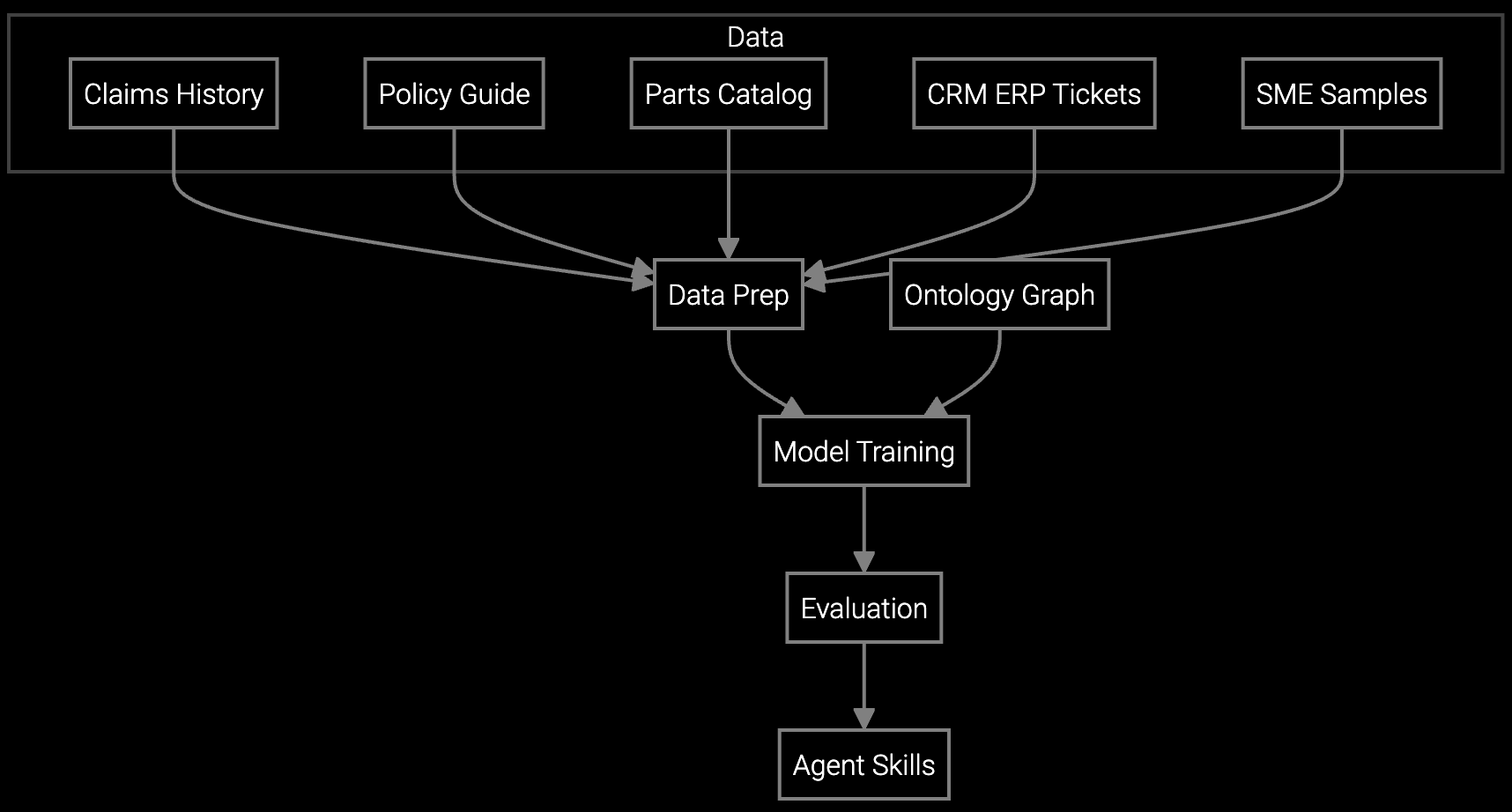
Automatically classify network device RMA claims by failure type, assign warranty codes, and route to correct processing queues based on entitlement and telemetry data.
Network device warranties depend on accurate failure context extraction from syslog messages, SNMP trap sequences, and configuration change logs. The platform's telemetry connectors parse Cisco IOS, Juniper Junos, and Arista EOS log formats natively, extracting failure signatures like CRC errors, power supply faults, and memory exhaustion events. These parsed data streams feed entitlement validation and fraud detection models without requiring custom parser development.
For carrier-grade equipment, the SDK integrates with NetFlow and IPFIX data to correlate traffic patterns with warranty claims, identifying configuration-induced failures that fall outside warranty coverage. Integration with Network Operations Centers provides real-time device health scores that inform RMA processing priority, ensuring mission-critical network infrastructure receives expedited warranty service while reducing unnecessary RMA generation for devices showing transient errors.
The platform natively ingests syslog (RFC 3164 and RFC 5424), SNMP v2c/v3 traps and informs, NetFlow v5/v9, IPFIX, and streaming telemetry via gRPC. For proprietary formats like Cisco IOS XE model-driven telemetry, the Python SDK includes protocol adapters that normalize data into standard JSON schemas. Custom parsers can be deployed as containerized microservices alongside the core ingestion pipeline.
The SDK provides a model training pipeline that accepts labeled CSV files containing claim ID, device serial, failure code, and resolution outcome. After data ingestion, the platform automatically splits training/validation sets, tunes hyperparameters, and generates performance metrics. Pre-trained models for network equipment fraud patterns like firmware manipulation and warranty period exploitation serve as baseline starting points, reducing training time by 60-70%.
Yes. REST API endpoints expose entitlement validation results, fraud risk scores, and recommended RMA actions as JSON responses that integrate directly into SAP WM workflows via IDoc or RFC calls. For Oracle Service Cloud, the platform provides pre-built webhook integrations that update claim status and attach telemetry analysis reports to service requests. Authentication uses OAuth 2.0 or API keys depending on target system requirements.
All fraud detection models export in ONNX format for deployment outside the platform. Entitlement validation rules are defined in declarative YAML configuration files that remain under version control in your repository. The API uses OpenAPI 3.0 specifications, enabling mock server generation for testing integrations before production deployment. Data extraction APIs allow full claims history export in JSON or Parquet formats.
The platform analyzes telemetry data collected before device return, identifying configuration errors, firmware bugs, and environmental issues that cause false failure reports. For routers and switches, common NFF triggers include BGP flapping from misconfigured timers, memory exhaustion from logging verbosity, and thermal shutdowns from inadequate rack cooling. By flagging these patterns during entitlement verification, claims processors can route devices to configuration review instead of hardware replacement, reducing warranty costs and improving customer outcomes.
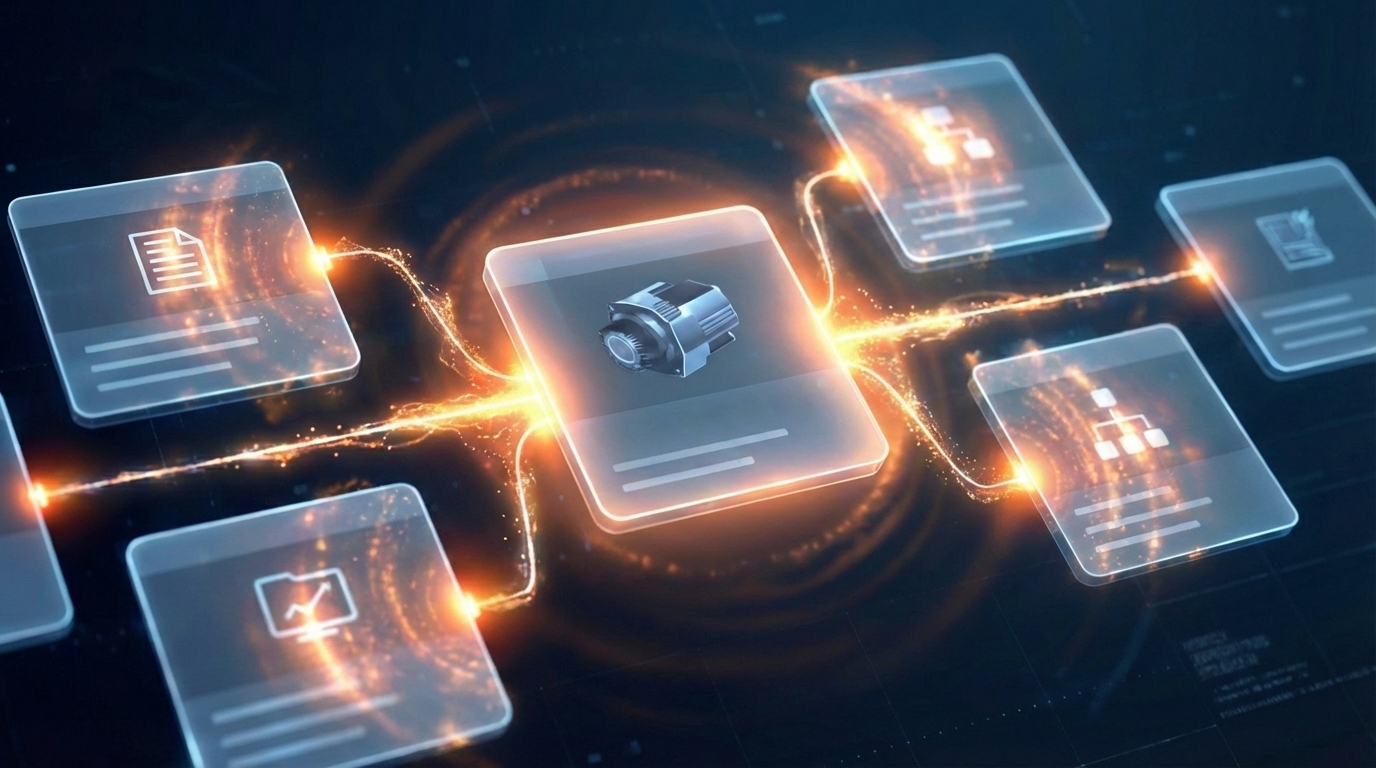
Software stocks lost nearly $1 trillion in value despite strong quarters. AI represents a paradigm shift, not an incremental software improvement.
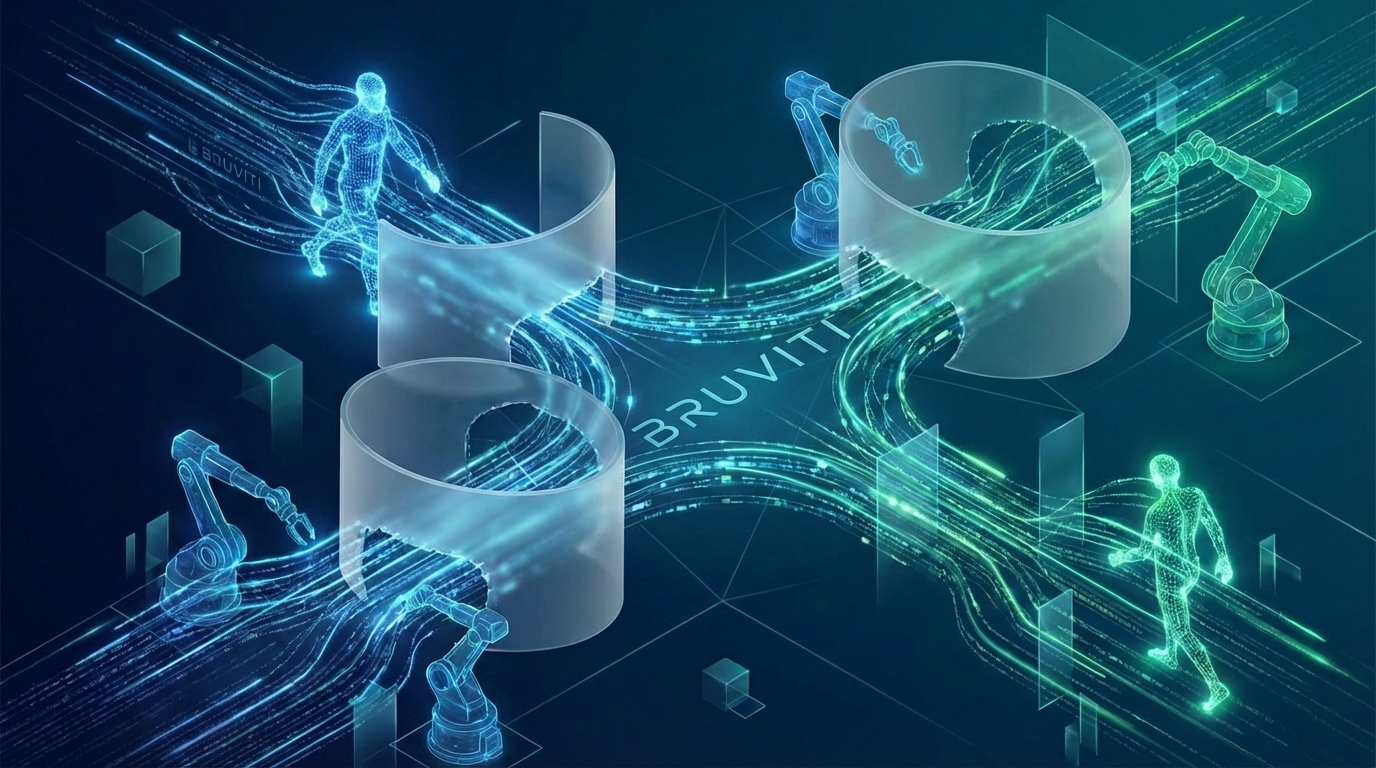
Function-scoped AI improves local efficiency but workflow-native AI changes cost-to-serve. The P&L impact lives in the workflow itself.

Five key shifts from deploying nearly 100 enterprise AI workflow solutions and the GTM changes required to win in 2026.
Get API documentation, SDK examples, and architecture guidance for network equipment warranty processing.
Access Developer Resources