
Hyperscale warranty costs demand automated fraud detection and entitlement verification at server-replacement scale.
Bruviti deployment data shows AI-assisted warranty claim validation runs in under 1 minute per claim with 90% reduction in processing time. For data center equipment OEMs, that turns an 8 to 12 minute manual review into a sub-minute automated decision, freeing engineers to handle only the exceptions that need human judgment.
Monolithic warranty platforms force you into closed ecosystems where custom validation rules require vendor professional services. You cannot extend fraud detection logic or integrate new data sources without expensive change orders.
Server telemetry from IPMI and BMC controllers lives in separate data lakes from warranty entitlement records. You need to parse hardware failure signals and match them to claim submissions, but the systems don't talk.
High NFF rates on drive and memory returns erode warranty reserves, but existing systems cannot correlate returned component IDs with pre-failure telemetry to validate genuine failures versus customer misdiagnosis.
Bruviti provides REST APIs and Python SDKs that sit between your warranty management system and your telemetry data lake. You control the integration layer, the validation logic, and the data flow. The platform ingests BMC/IPMI streams, parses failure signatures, and exposes entitlement verification endpoints that your claims processing workflow calls via standard HTTPS requests.
The architecture follows an API-first design: you authenticate via OAuth2, submit claim payloads with component serial numbers and failure codes, and receive structured JSON responses with fraud risk scores and entitlement status. You can train custom NFF detection models using your historical return data, then deploy them via API without replatforming. Python and TypeScript SDKs handle authentication, retry logic, and response parsing so you focus on business rules.
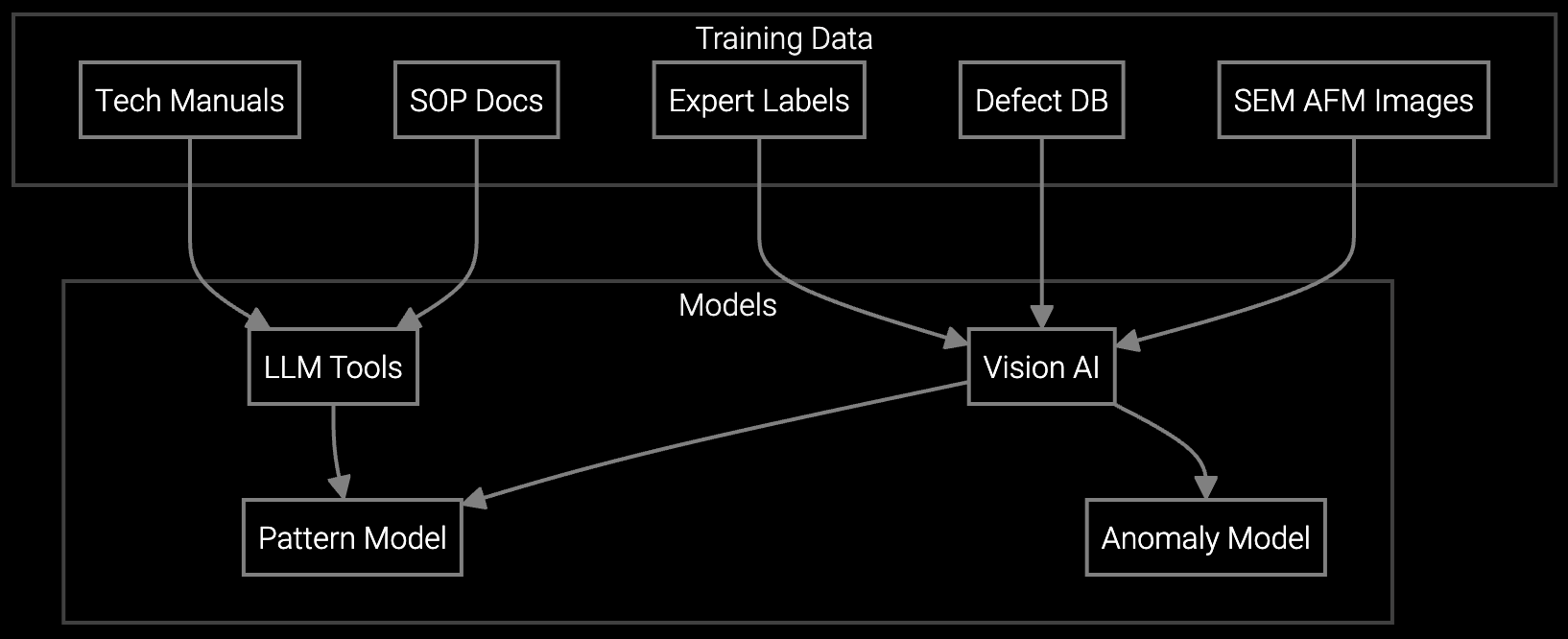
Analyze microscopic images of failed server components to classify defects, validate failure modes, and flag manufacturing versus operational issues in warranty disputes.
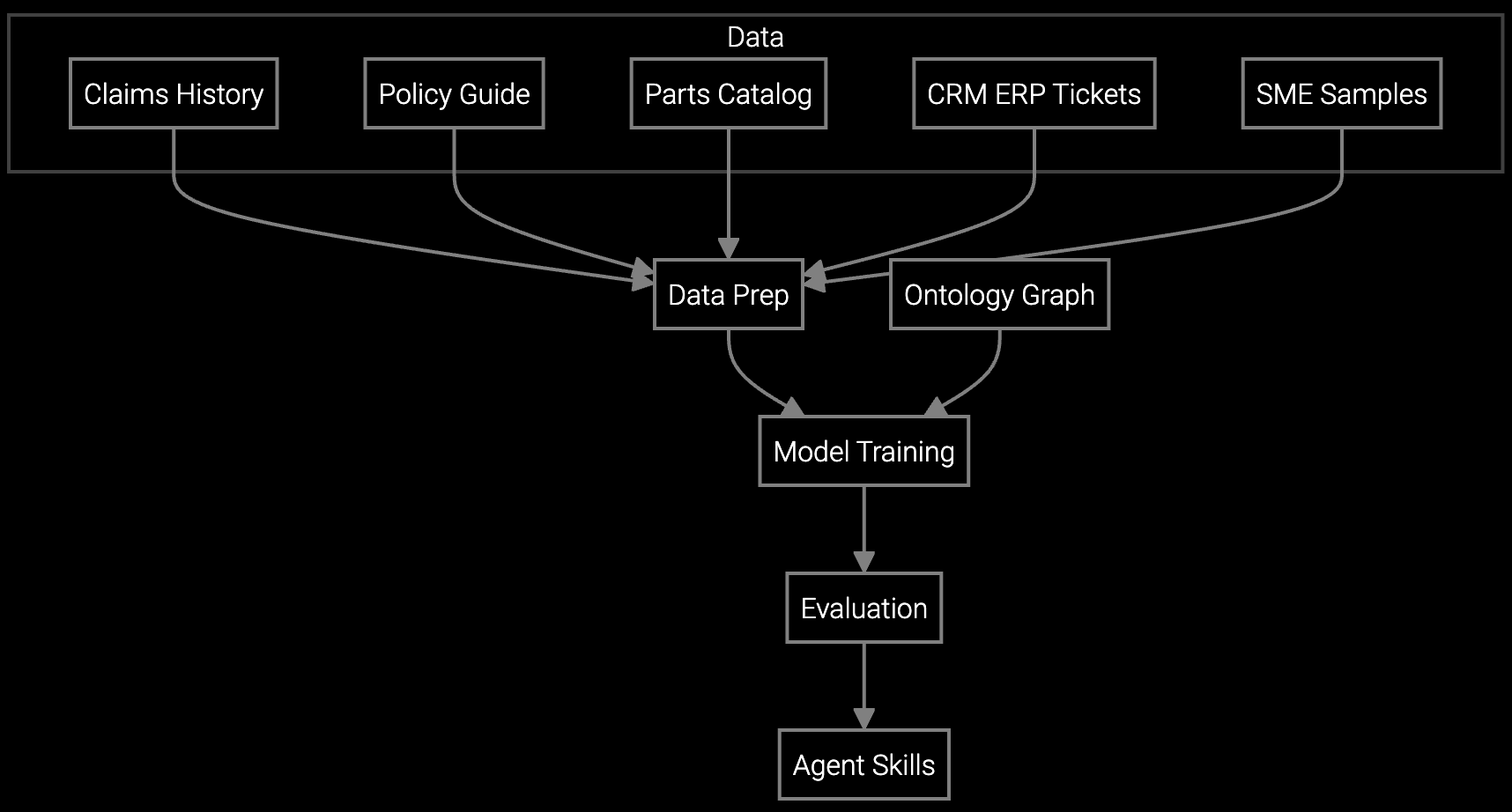
Automatically classify and code warranty claims from unstructured customer emails by extracting component types, failure symptoms, and entitlement identifiers.
Data center equipment manufacturers process thousands of warranty claims monthly across distributed colocation facilities and hyperscale deployments. The platform ingests IPMI telemetry from server BMCs, storage array health logs, and UPS event streams via REST endpoints or message queues. When a claim arrives referencing a server serial number, the API queries the telemetry index for pre-failure signatures like DIMM ECC errors, thermal throttling events, or RAID rebuild failures.
Your claims processing system calls the fraud detection endpoint with the claim payload. The response includes an entitlement status (active, expired, voided), a fraud risk score based on telemetry correlation, and recommended actions (approve, flag for review, reject). You map these responses to your internal workflow states. For high-volume RMA scenarios like drive replacements, the platform supports batch API calls that process up to 1,000 claims per request with sub-second latency.
The API requires entitlement records (serial numbers, purchase dates, warranty terms) and hardware telemetry streams (BMC/IPMI logs, failure event codes, component serial numbers). You provide these via REST POST requests or configure continuous ingestion from your data lake using webhook subscriptions or message queue integrations.
Yes. The platform provides Python SDKs for model training using your labeled NFF data and telemetry logs. You control the training pipeline, feature engineering, and model deployment. Models are versioned and deployed via API without requiring vendor involvement or service engagements.
The batch validation endpoint accepts up to 1,000 claim records per request and returns structured JSON responses within 800ms at p95 latency. You can parallelize requests across multiple API keys to scale beyond 10,000 validations per minute during peak RMA periods.
The API uses OAuth2 with client credentials flow for machine-to-machine authentication. All requests require TLS 1.3 encryption. You can restrict API keys to specific IP ranges and set rate limits per key. The platform is SOC 2 Type II compliant and supports audit logging for all validation requests.
Yes. The platform provides REST endpoints that integrate with any system capable of making HTTPS requests. For SAP and Oracle, you typically call the validation API from custom ABAP programs or PL/SQL procedures within your existing claims processing workflow, then map the JSON response fields to internal workflow states.

Software stocks lost nearly $1 trillion in value despite strong quarters. AI represents a paradigm shift, not an incremental software improvement.
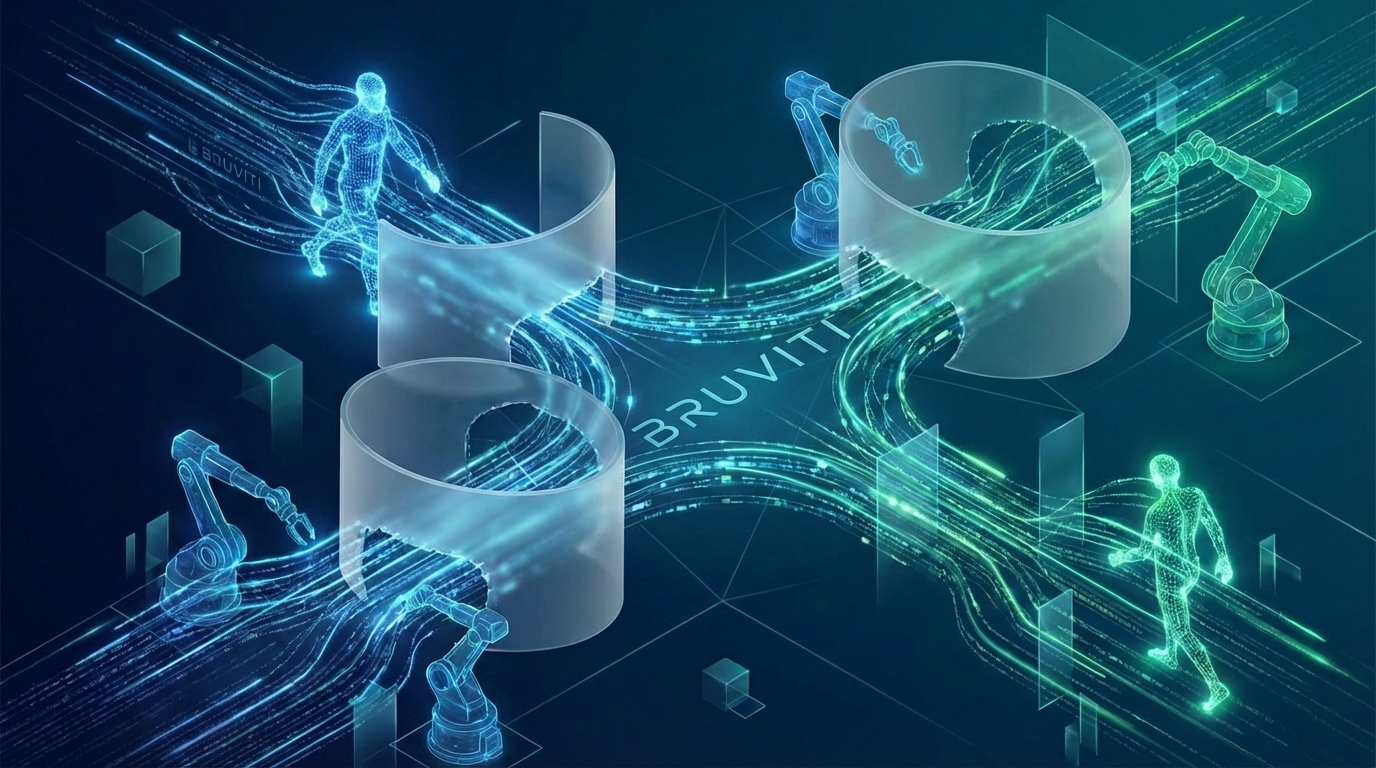
Function-scoped AI improves local efficiency but workflow-native AI changes cost-to-serve. The P&L impact lives in the workflow itself.

Five key shifts from deploying nearly 100 enterprise AI workflow solutions and the GTM changes required to win in 2026.
Access Python SDKs, REST API references, and sample code for warranty validation integrations.
Access Developer Portal