
Network OEMs need real-time visibility into firmware versions and configuration drift across 100K+ deployed devices.
Network OEMs can stand up AI-powered installed base tracking in 5 to 7 weeks, per Bruviti deployment data. The platform connects serial numbers, configs, and telemetry into one live asset record, so engineering teams skip multi-quarter integration builds and get queryable lifecycle visibility across the deployed fleet fast.
Network OEMs lack complete visibility into serial numbers, firmware versions, and configuration states across thousands of deployed routers, switches, and security appliances. Legacy systems capture installation data but miss subsequent updates, PoE changes, and EOL status.
Actual device states diverge from records as customers apply firmware updates, change SNMP configurations, or modify network topologies. Without continuous telemetry sync, OEMs cannot predict failures or plan upgrades based on real deployed states.
Without linking deployed assets to active service contracts, OEMs miss upsell opportunities when devices approach EOL or when customers expand network capacity. Manual contract-to-serial-number mapping fails at scale, leaving revenue on the table.
A REST API layer sits between your existing SAP or Oracle systems and real-time telemetry streams from SNMP traps, syslog feeds, and device registration webhooks. Python SDKs handle device discovery events, parse firmware version strings, and update asset records without modifying core ERP schemas. TypeScript integrations connect NOC dashboards to live configuration snapshots.
The API exposes endpoints for asset queries, configuration comparisons, and lifecycle event subscriptions. Developers write custom rules in Python to flag EOL devices, detect unsupported firmware combinations, or trigger contract renewal workflows when installed base data meets specific thresholds. No proprietary query language—just standard REST, JSON, and async event handlers you can version control and test independently.
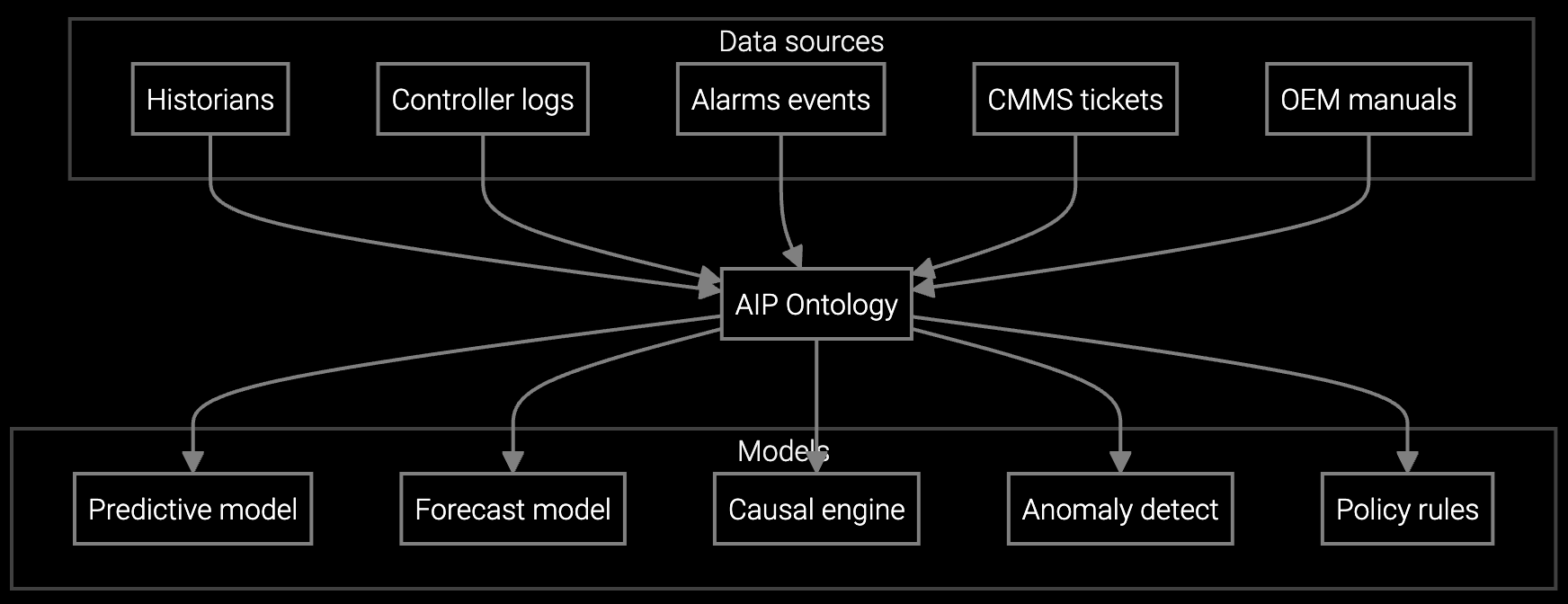
Analyze SNMP traps and syslog streams from routers and switches to predict failures before network outages occur.

Estimate when firewall appliances and load balancers will fail based on error patterns and MTBF data.
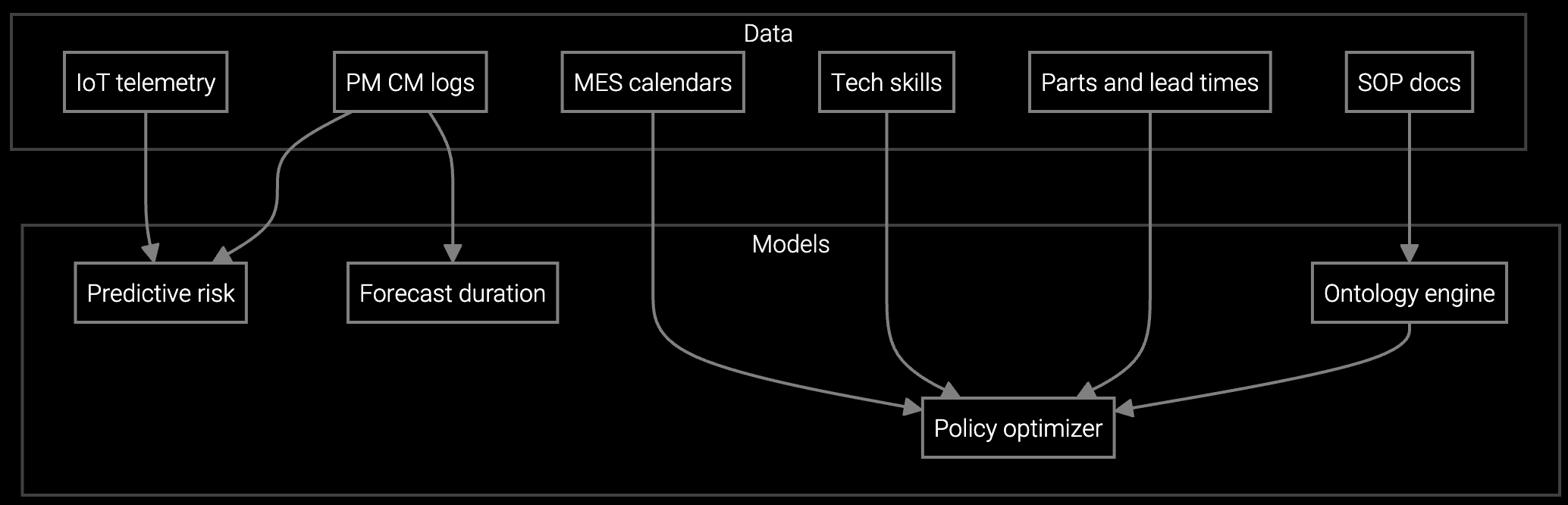
Schedule firmware updates and hardware replacements during planned maintenance windows based on real device state.
Network OEMs deploy routers, switches, and firewalls across carrier NOCs, enterprise data centers, and remote branch locations. These devices generate continuous telemetry via SNMP, syslog, and NetFlow protocols. Asset tracking APIs ingest these streams to build a real-time inventory of firmware versions, configuration baselines, and PoE power consumption patterns.
The API layer correlates device serial numbers from registration events with ongoing telemetry streams, automatically updating asset records when firmware changes, interface configurations shift, or optical transceivers fail. This continuous sync eliminates manual audits and ensures NOC teams always see current device states when planning capacity expansions or SLA-driven maintenance windows.
The API ingests SNMP traps, syslog feeds, device registration webhooks, and manual CSV uploads. Python SDKs include parsers for common MIBs and syslog formats used by network equipment. You can extend these parsers or write custom handlers for proprietary telemetry protocols.
The platform exposes standard REST APIs with OpenAPI documentation. All integrations use Python or TypeScript SDKs that run in your own infrastructure. Asset data syncs to your existing database via webhooks, so you retain full control and can migrate to alternative platforms without losing historical records or custom logic.
SNMP trap handlers process events within 2-5 seconds of device emission. Syslog streams batch every 30 seconds for efficiency. The API supports webhook subscriptions for instant notifications when asset states change, enabling real-time NOC dashboard updates and automated alerting workflows.
Yes. The API stores configuration snapshots keyed by device type and compares new telemetry against baseline states. You define drift thresholds per vendor—flag Cisco IOS changes to ACLs, Juniper JunOS routing protocol shifts, or Arista EOS VLAN modifications. Python scripts handle vendor-specific parsing logic.
The platform maintains a contract registry synchronized with your ERP. When new devices register, the API matches serial numbers to active contracts using configurable rules. For unmatched devices, it flags upsell opportunities and triggers renewal workflows when assets approach EOL dates based on firmware version and install date metadata.

Software stocks lost nearly $1 trillion in value despite strong quarters. AI represents a paradigm shift, not an incremental software improvement.

Function-scoped AI improves local efficiency but workflow-native AI changes cost-to-serve. The P&L impact lives in the workflow itself.

Five key shifts from deploying nearly 100 enterprise AI workflow solutions and the GTM changes required to win in 2026.
Get API documentation and SDK examples for network equipment asset tracking.
Access Developer Resources