When support engineers can't diagnose CNC machines or turbines remotely, every escalation delay costs production hours your customers can't afford.
Industrial equipment OEMs solve escalation bottlenecks by deploying AI-guided diagnostics that analyze telemetry data in real time, enabling support engineers to resolve issues remotely without requiring field service escalations or on-site access to distributed equipment.
Support engineers escalate cases they could have resolved remotely because they lack visibility into PLC data, sensor readings, and historical patterns from similar equipment failures across the installed base.
Resolution knowledge remains trapped in individual support engineers' heads or scattered across ticket systems, preventing teams from learning from past successes and applying proven fixes to new incidents.
Multiple remote access platforms for different equipment generations force support engineers to switch tools mid-session, losing context and extending resolution cycles for globally distributed industrial assets.
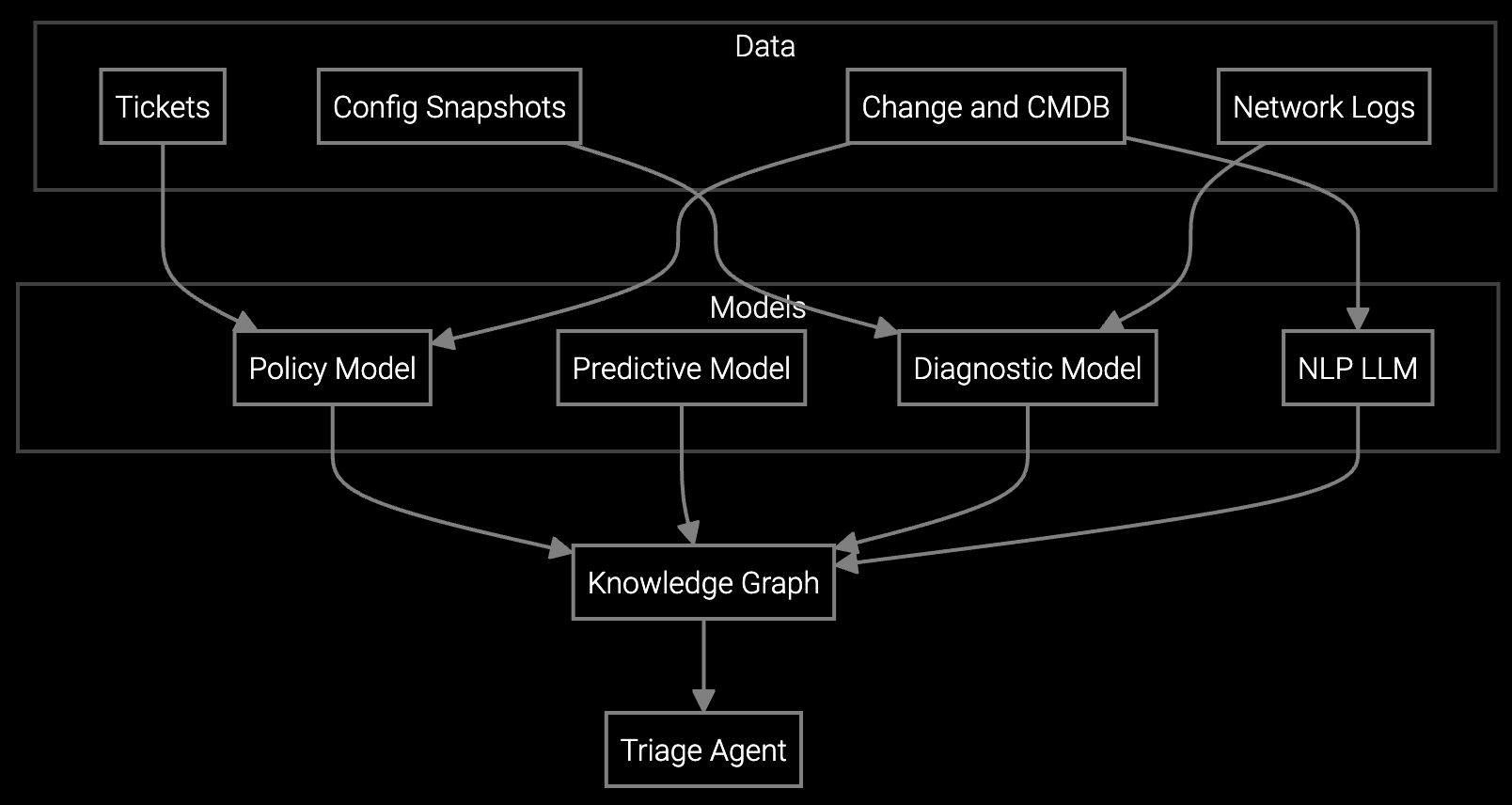
Bruviti ingests telemetry streams from SCADA systems, PLCs, and IoT sensors across your industrial equipment installed base, applying pattern recognition to identify failure signatures before support engineers even open a remote session. The platform correlates current sensor readings against historical resolution data, surfacing the most likely root causes and proven fixes specific to that equipment model and operating environment.
Support engineers receive guided troubleshooting workflows that adapt in real time based on diagnostic test results, eliminating guesswork and reducing the need to escalate cases. When remote resolution succeeds, the platform automatically captures the solution pathway and makes it available across your global support organization, transforming isolated wins into repeatable processes that improve remote resolution rates over time.
Industrial equipment with 10-30 year lifecycles presents unique remote support challenges. CNC machines, turbines, and material handling systems deployed worldwide generate terabytes of sensor data that support engineers can't manually analyze during remote sessions. Condition-based maintenance data, vibration signatures, and thermal patterns contain diagnostic clues that remain invisible without AI pattern recognition.
As your experienced support engineers retire, their ability to diagnose compressor failures or robotic arm anomalies by sound or subtle sensor deviations walks out the door. AI-guided diagnostics capture this diagnostic expertise, making it available to every support engineer regardless of tenure, preserving tribal knowledge that would otherwise disappear as your workforce turns over.
AI analyzes telemetry patterns from SCADA systems and PLCs in real time, correlating current sensor readings with historical failure signatures to surface probable root causes before support engineers escalate. This gives remote teams the diagnostic visibility previously available only to specialists with decades of experience, enabling first-session resolution of issues that once required escalations.
SCADA system logs, PLC status data, vibration sensors, thermal imaging, pressure readings, and run hour metrics provide the diagnostic foundation. The platform correlates these streams against maintenance records, previous incident resolutions, and equipment configuration changes to identify patterns that human analysts would miss across globally distributed installations.
Industrial equipment OEMs typically see measurable remote resolution rate improvements within the first quarter as the platform builds pattern libraries from telemetry data. Cost per incident reductions accelerate after six months once the system has captured enough resolution pathways to guide support engineers through previously escalation-prone scenarios consistently.
Yes, through analysis of available data sources including manual inspection reports, maintenance logs, and basic operational metrics. While sensor-rich equipment provides richer diagnostic signals, the platform applies pattern recognition to any structured data about equipment performance, failure modes, and resolution outcomes, making it valuable even for decades-old machinery with limited telemetry.
The platform presents diagnostic guidance as decision support, not automated actions, keeping support engineers in control of troubleshooting decisions. Confidence scores accompany every recommendation, and engineers can override suggestions based on customer-specific context. This human-in-the-loop design prevents blind reliance while accelerating resolution through better information, not automation that creates new failure modes.
Software stocks lost nearly $1 trillion in value despite strong quarters. AI represents a paradigm shift, not an incremental software improvement.
Function-scoped AI improves local efficiency but workflow-native AI changes cost-to-serve. The P&L impact lives in the workflow itself.
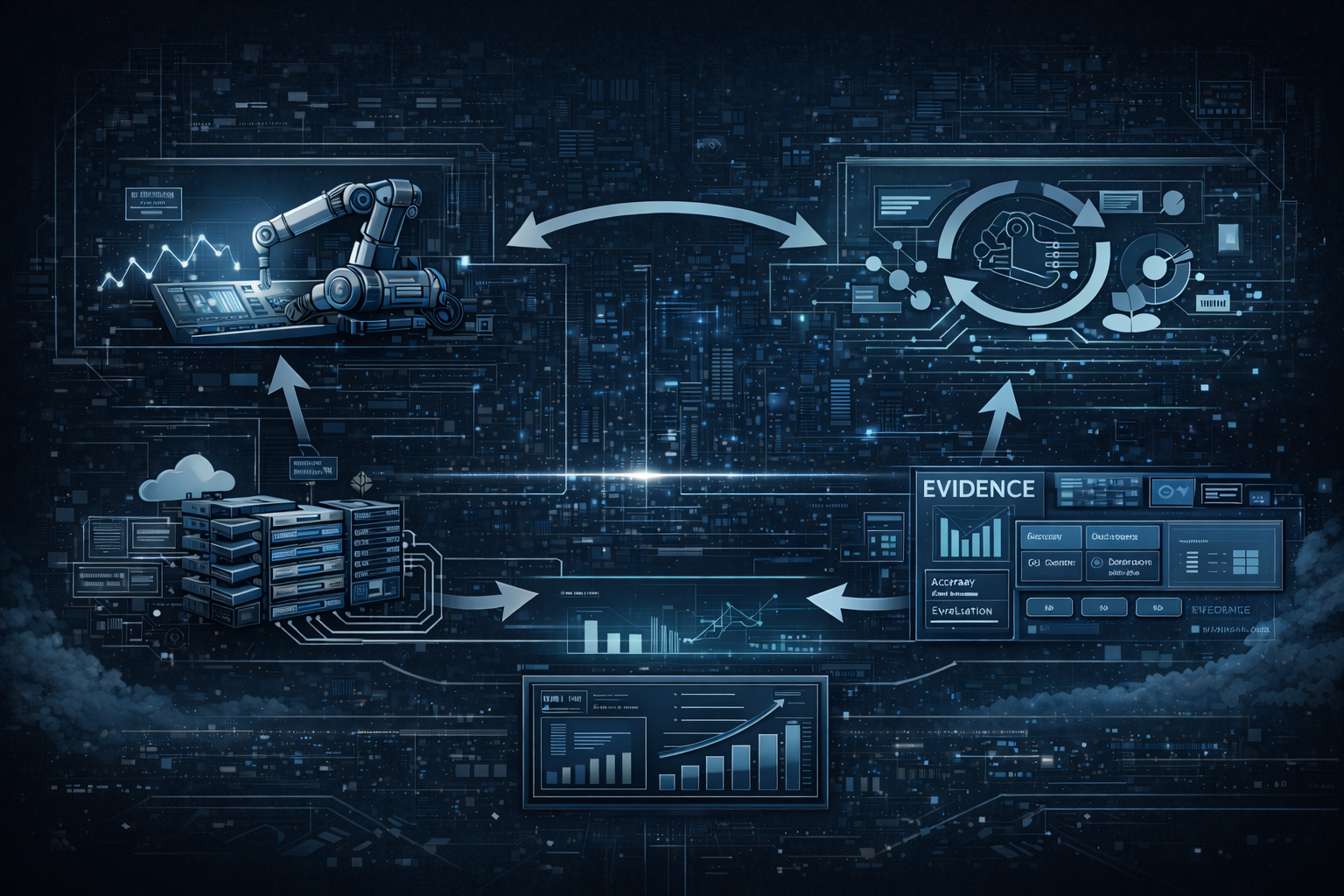
Five key shifts from deploying nearly 100 enterprise AI workflow solutions and the GTM changes required to win in 2026.
See how Bruviti's AI-guided diagnostics improve remote resolution rates for industrial equipment OEMs.
Schedule Demo