
Manual claims processing erodes margins when router and switch failures spike—automation cuts warranty reserves and accelerates resolution.
AI orchestrates the entire warranty returns lifecycle for network equipment—from claim validation through refurbishment disposition—replacing labor-intensive manual processes with automated triage, entitlement verification, and fraud detection that reduce warranty reserves while accelerating claim resolution.
Claims processors spend hours cross-referencing serial numbers against purchase records, EOL dates, and service contracts—delaying RMA issuance and frustrating customers during network outages when every minute of downtime costs revenue.
Routers and switches returned under warranty arrive at the depot only to test as fully functional—driving up refurbishment costs, consuming inspection labor, and inflating warranty reserve accruals without corresponding product defects.
Without systematic pattern analysis across claims history, warranty administrators miss duplicate submissions, out-of-warranty equipment presented with falsified dates, and coordinated fraud schemes that erode profitability quarter after quarter.
Bruviti's platform replaces manual claims processing workflows with AI orchestration that autonomously validates entitlements, flags anomalies, and routes decisions. When a router or switch failure claim arrives, the system instantly verifies serial numbers against your installed base, cross-references firmware versions and SNMP logs to confirm legitimate failures, and auto-generates RMAs for valid claims—cutting processing time from days to minutes.
The AI learns from historical refurbishment data to predict No Fault Found returns before they ship, catching configuration errors and user mistakes that don't require hardware replacement. For claims that warrant deeper review, the platform compiles complete evidence packages—warranty status, failure telemetry, return history, fraud risk scores—so your team approves or rejects with full context instead of hunting across spreadsheets and legacy systems.
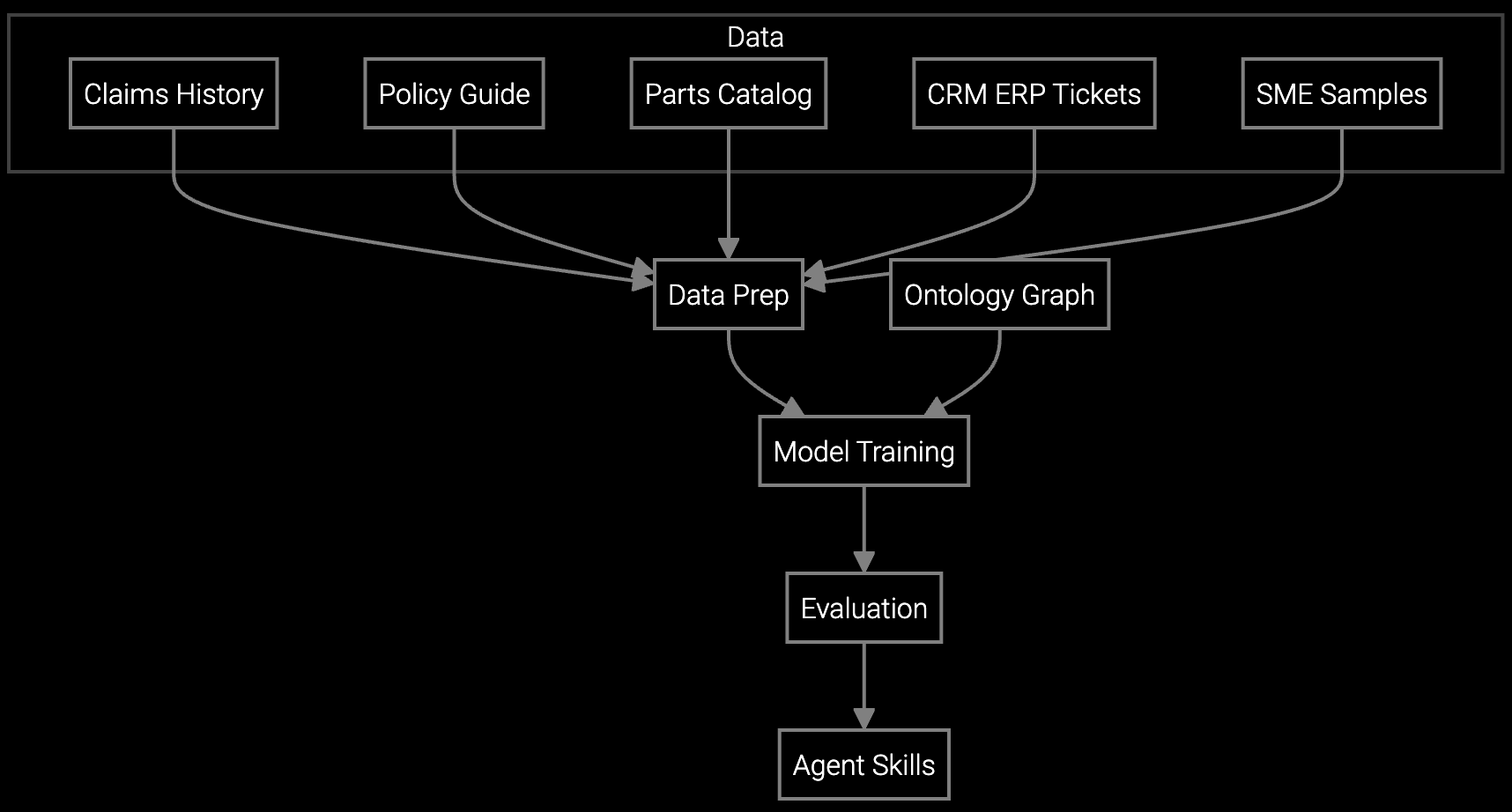
Automatically classify network equipment failures, assign failure codes, and route claims based on router/switch telemetry and historical refurbishment outcomes.
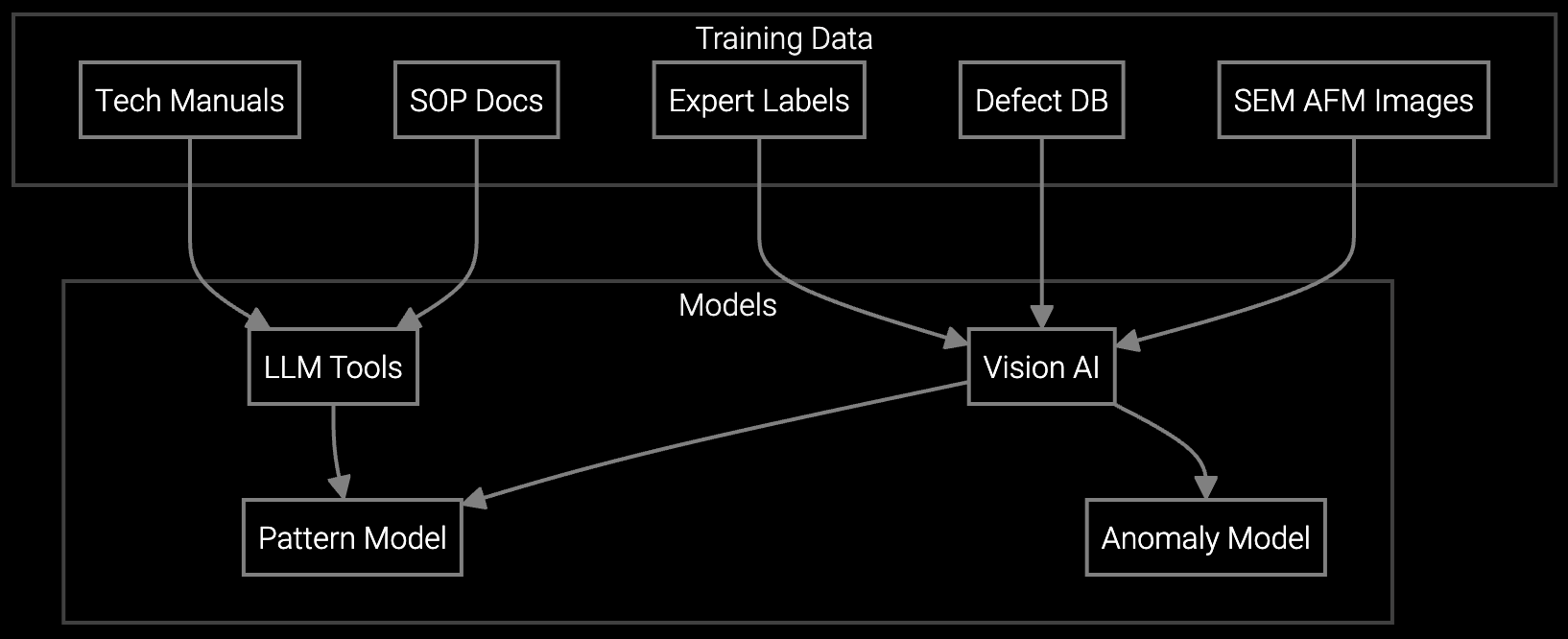
Validate warranty claims for network equipment component failures by analyzing microscopic images to confirm manufacturing defects versus field damage.
When enterprise customers face router or firewall failures during peak traffic, every hour of warranty processing delay costs them revenue and SLA penalties. Network equipment OEMs operate under intense pressure to issue RMAs instantly while maintaining strict fraud controls and warranty cost discipline.
The platform ingests SNMP traps, syslog data, and firmware version telemetry to validate claims against known failure signatures—distinguishing legitimate hardware defects from configuration errors, capacity overruns, or environmental damage. This telemetry-driven approach automates triage that previously required senior warranty engineers to manually review logs and cross-reference failure databases, accelerating approvals without increasing risk.
The platform analyzes historical claims patterns, refurbishment outcomes, and failure telemetry to predict warranty costs more accurately than traditional actuarial models. By flagging likely NFF returns before they ship and detecting fraud earlier, OEMs avoid over-reserving for claims that won't materialize—improving reserve accuracy by 12-18% and freeing capital previously locked in safety buffers.
The AI auto-approves straightforward claims that match known failure signatures and pass entitlement checks. Claims requiring human review include high-value equipment, patterns suggesting coordinated fraud, contradictions between reported symptoms and telemetry data, or edge cases outside the AI's training scope. The platform prioritizes these exceptions with complete evidence packages to accelerate decisions.
Yes. Bruviti connects to existing warranty systems via APIs, extracting claim data, entitlement records, and refurbishment outcomes without requiring system replacement. The platform operates as an intelligent overlay—enriching legacy workflows with AI validation, fraud detection, and automated triage while preserving your current system of record and business processes.
Most OEMs measure payback within 6-9 months through three levers: reduced claims processing labor, lower NFF return costs, and tighter warranty reserve management. The largest financial impact comes from avoiding unnecessary depot inspections and refurbishment work—network equipment NFF rates dropping 40-60% translates directly to margin expansion and recovered capacity.
The platform correlates warranty claims against your installed base registry, service contract database, refurbishment history, and equipment telemetry—SNMP traps, syslog streams, firmware versions, and error logs. For network equipment, analyzing log data before issuing RMAs catches configuration issues, capacity problems, and environmental factors that don't require hardware replacement, preventing unnecessary returns.
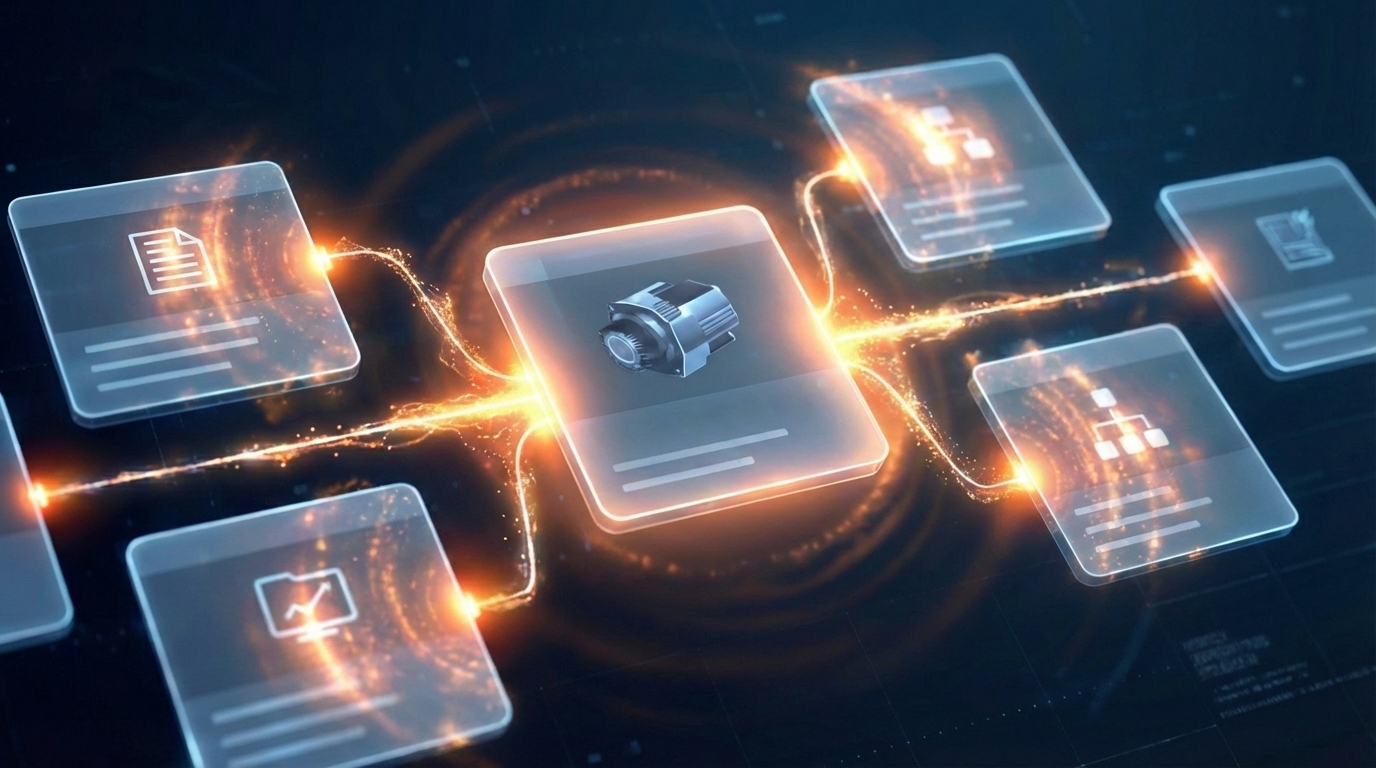
Software stocks lost nearly $1 trillion in value despite strong quarters. AI represents a paradigm shift, not an incremental software improvement.
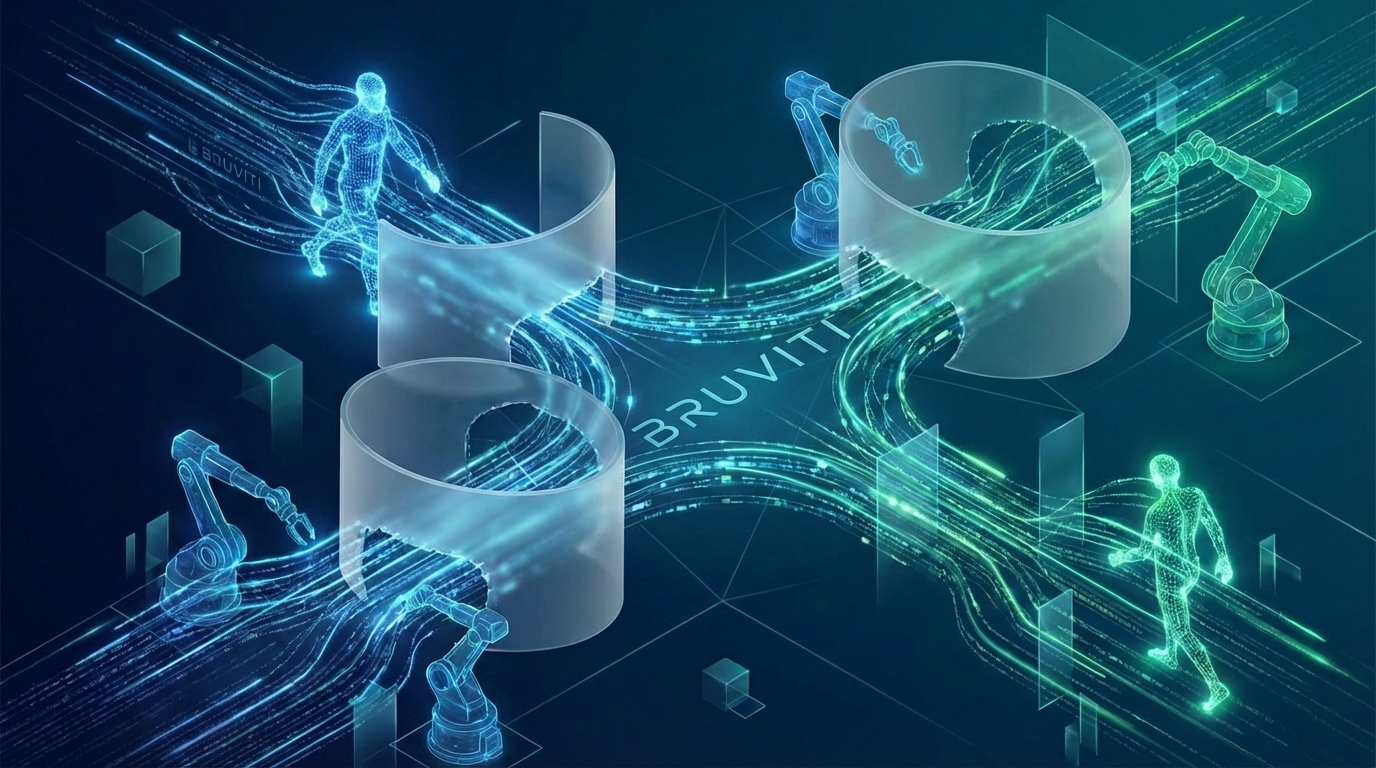
Function-scoped AI improves local efficiency but workflow-native AI changes cost-to-serve. The P&L impact lives in the workflow itself.

Five key shifts from deploying nearly 100 enterprise AI workflow solutions and the GTM changes required to win in 2026.
Discover how Bruviti reduces warranty reserves while accelerating claims resolution for network equipment OEMs.
Schedule Executive Briefing