
Untracked firmware changes and undocumented network settings multiply your security exposure and compliance failures across thousands of deployed devices.
Configuration drift in network devices creates security vulnerabilities and compliance failures. AI-powered asset tracking validates actual device state against records in real-time, automatically flagging discrepancies and triggering remediation workflows before they impact network availability or create audit exposure.
Routers, switches, and security appliances deployed across hundreds of sites lack complete serial numbers, firmware versions, and configuration baselines. When vulnerabilities emerge, you can't identify which devices are exposed.
Actual device configurations diverge from documented state as engineers apply emergency patches and local changes. The gap between records and reality creates security blindspots and failed audits.
Support contracts expire unnoticed because asset records don't track entitlement dates or EOL status. Network operations teams discover gaps only when they need urgent support for a failed device.
Bruviti's platform continuously validates network equipment against your asset registry, parsing SNMP traps, syslog data, and telemetry streams to detect configuration changes as they occur. When a firmware update happens or a configuration setting changes, the system compares actual state to documented baseline and flags discrepancies immediately.
The platform builds a complete lifecycle view of every deployed router, switch, and firewall by ingesting data from existing asset management systems and enriching it with real-time device telemetry. This creates a unified source of truth that reveals which devices are running outdated firmware, which are approaching EOL dates, and which configurations have drifted from security baselines—enabling proactive remediation before problems escalate into outages or audit failures.
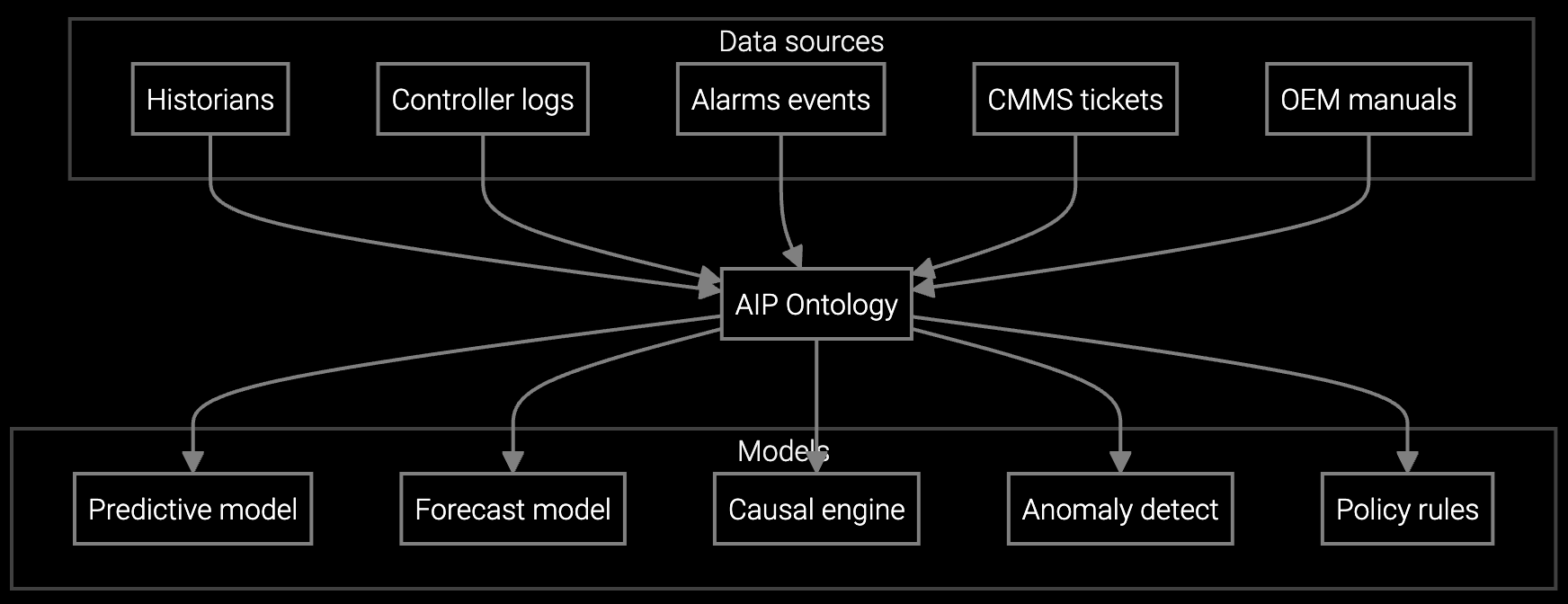
Network OEMs analyze SNMP traps and performance telemetry to identify routers exhibiting early failure patterns, enabling proactive replacement before customer-impacting outages occur.

Carrier-grade switches operating in high-temperature data centers get predictive maintenance windows based on thermal stress patterns and power supply degradation rates.
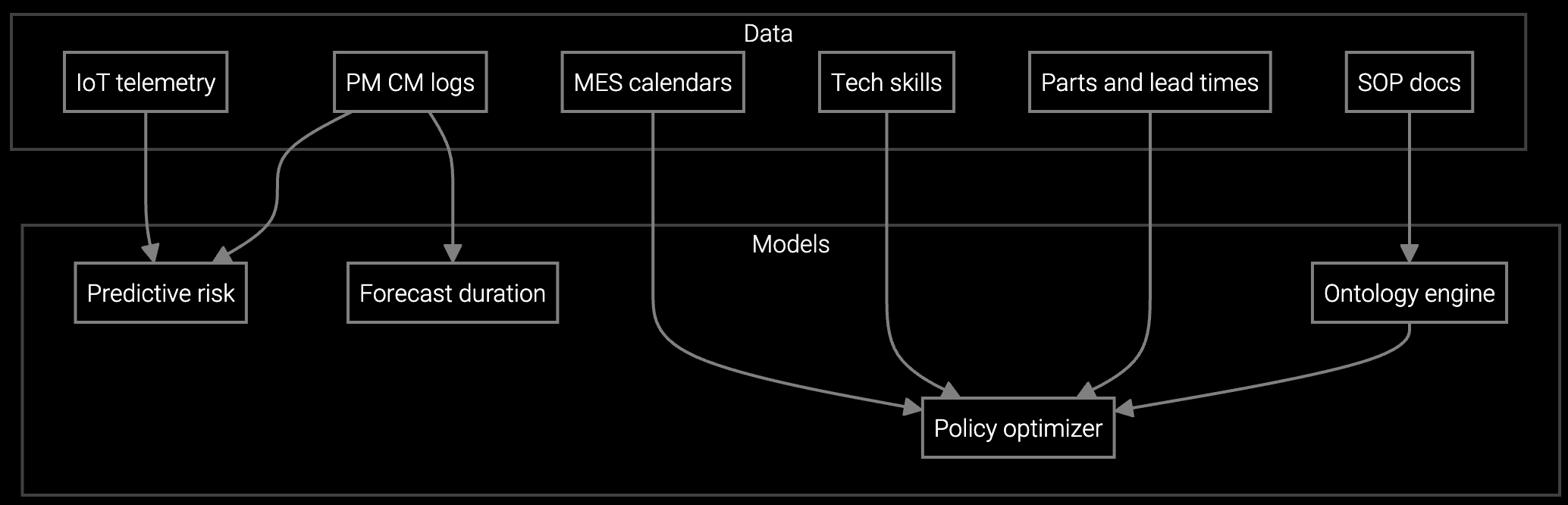
Telecommunications providers schedule equipment refreshes during planned maintenance windows instead of reacting to emergency failures, reducing customer-impacting downtime and truck roll costs.
Network equipment manufacturers face unique installed base challenges because their products sit in thousands of customer locations—from carrier NOCs to remote branch offices. A single enterprise customer might deploy hundreds of routers and switches across multiple sites, each running different firmware versions and configuration profiles.
The platform ingests telemetry from SNMP agents, syslog servers, and network management systems to build a complete view of every deployed device. For a router population experiencing intermittent packet loss, the system correlates firmware version, uptime statistics, and error logs across the installed base to identify which specific configuration combinations trigger the issue—enabling targeted remediation rather than blanket firmware rollouts that risk introducing new problems.
The platform continuously parses SNMP data and syslog streams from deployed network equipment, comparing actual firmware versions and configuration states against your documented baselines. When a change occurs—whether from an emergency patch or unauthorized modification—the system flags the discrepancy immediately and routes it to the appropriate remediation workflow based on severity and device criticality.
The system ingests standard network telemetry including SNMP traps, syslog feeds, and performance metrics already collected by your network management infrastructure. It also connects to existing asset databases, CRM systems, and support ticket platforms to enrich device records with contract dates, warranty status, and service history—creating a unified view without requiring new data collection agents.
The platform tracks support contract expiration dates for every deployed device and automatically generates renewal alerts 90, 60, and 30 days before expiration. It correlates contract status with device criticality and customer usage patterns to prioritize outreach—focusing your sales team on high-value accounts most likely to renew rather than blanket email campaigns.
Yes. When a firmware vulnerability is published, you query the platform by affected version numbers and it instantly returns a complete list of exposed devices across your installed base—including serial numbers, customer locations, and network criticality ratings. This enables targeted patch campaigns rather than manual audits to determine exposure scope.
Network OEMs typically see 65-80% reduction in audit preparation time because configuration compliance reports are continuously validated instead of manually compiled during audit season. Additional ROI comes from faster vulnerability remediation (reducing breach risk), higher contract renewal rates (capturing revenue that would otherwise lapse), and reduced support costs from proactively identifying devices approaching EOL before they fail and trigger emergency RMAs.

Software stocks lost nearly $1 trillion in value despite strong quarters. AI represents a paradigm shift, not an incremental software improvement.

Function-scoped AI improves local efficiency but workflow-native AI changes cost-to-serve. The P&L impact lives in the workflow itself.

Five key shifts from deploying nearly 100 enterprise AI workflow solutions and the GTM changes required to win in 2026.
See how Bruviti turns network equipment telemetry into actionable asset intelligence that prevents security exposure and recovers lost revenue.
Schedule Demo