
Network equipment sprawls across thousands of customer sites, yet most OEMs lack real-time visibility into configuration drift and lifecycle status.
Start with a pilot on a single product line with strong telemetry feeds, integrate with existing asset and CRM systems via API, and measure ROI through contract attachment rates and configuration accuracy within 90 days.
Network devices receive firmware updates, configuration changes, and hardware swaps that never make it back to the asset database. Service teams troubleshoot blind, unable to see actual device state versus what the system claims.
Without accurate lifecycle tracking, sales teams can't identify devices approaching EOL or customers without active service contracts. Revenue opportunities slip through the cracks as devices age silently in the field.
Legacy systems, acquisition integrations, and manual registration gaps create blind spots. Service operations can't proactively reach out when vulnerabilities emerge because they don't know which customers have affected devices.
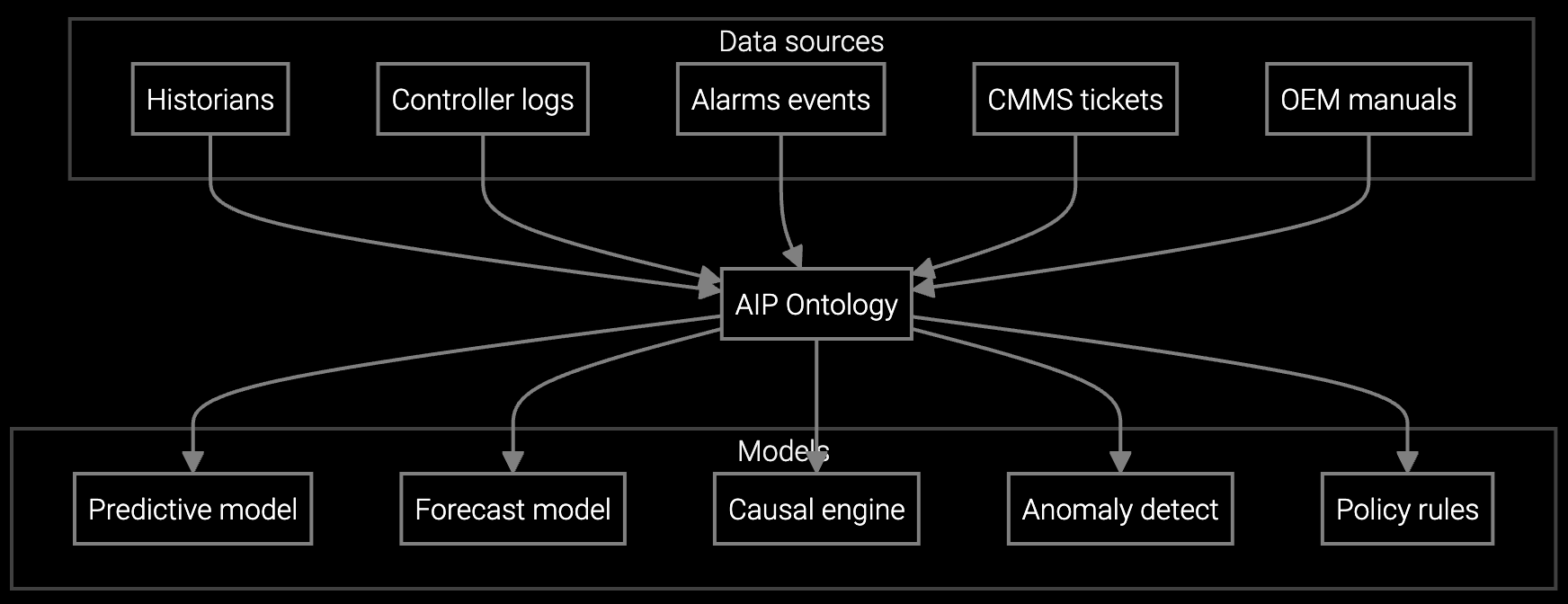
Bruviti's platform integrates with existing SNMP feeds, syslog collectors, and asset management systems to create a continuously updated digital registry of deployed network equipment. The implementation starts with a controlled pilot on a high-value product line where telemetry infrastructure already exists, minimizing new instrumentation costs.
The platform ingests configuration snapshots, firmware versions, and performance telemetry to detect drift between actual device state and recorded state. Machine learning models trained on historical RMA patterns identify devices exhibiting pre-failure signatures, enabling proactive outreach before customer-impacting failures. Integration with CRM systems surfaces renewal opportunities when devices approach EOL or service contracts expire.
Analyzes router and switch telemetry streams to identify error rate spikes, interface flapping, and memory leaks before network outages occur.

Estimates when power supplies, fan trays, and optical transceivers will fail based on temperature trends and usage patterns.
Schedules proactive maintenance windows during low-traffic periods, reducing emergency interventions and customer impact.
Network equipment manufacturers face unique challenges with devices deployed in remote locations, often managed by third-party integrators or customer IT teams. The platform prioritizes products with existing SNMP or API-based telemetry, typically enterprise-grade routers, core switches, or security appliances where configuration management already exists.
The pilot phase focuses on a single product family where firmware vulnerabilities or hardware refresh cycles create immediate business urgency. For example, tracking all deployed instances of a switch model approaching EOL enables targeted upgrade campaigns before support ends. The platform ingests device logs and SNMP trap data without requiring new agents or firmware updates on customer equipment.
The platform ingests SNMP trap data, syslog streams, configuration backups, and API feeds from existing network management systems. It does not require new agents on customer devices. Most OEMs already collect this data through NOC infrastructure and can redirect feeds via secure API.
Pilot implementations typically reach 85% accuracy within 60 days for the target product line. Full enterprise rollout to multiple product families takes 4-6 months, depending on telemetry infrastructure maturity and system integration complexity. Configuration drift detection becomes operational immediately once telemetry feeds connect.
Yes, as long as devices phone home with telemetry or participate in remote management protocols. The platform identifies devices by serial number and MAC address, correlating telemetry with entitlement records even when customers manage day-to-day operations. This enables proactive outreach when vulnerabilities or EOL events affect customer equipment.
Focus on contract attachment rate improvement (percentage of deployed devices under active service contracts), configuration accuracy (percentage of records matching actual device state), and proactive intervention rate (percentage of failures detected before customer calls). These metrics directly tie installed base visibility to service revenue and operational efficiency.
The platform creates a unified registry combining automated telemetry for modern devices with manual update workflows for legacy equipment. Predictive models flag devices likely to be upgraded or replaced based on age and service history, prioritizing sales outreach where asset data gaps matter most. Over time, natural refresh cycles increase the percentage of fully tracked assets.

Software stocks lost nearly $1 trillion in value despite strong quarters. AI represents a paradigm shift, not an incremental software improvement.

Function-scoped AI improves local efficiency but workflow-native AI changes cost-to-serve. The P&L impact lives in the workflow itself.

Five key shifts from deploying nearly 100 enterprise AI workflow solutions and the GTM changes required to win in 2026.
See how Bruviti helps network equipment OEMs achieve complete installed base visibility without disrupting operations.
Schedule Implementation Review