
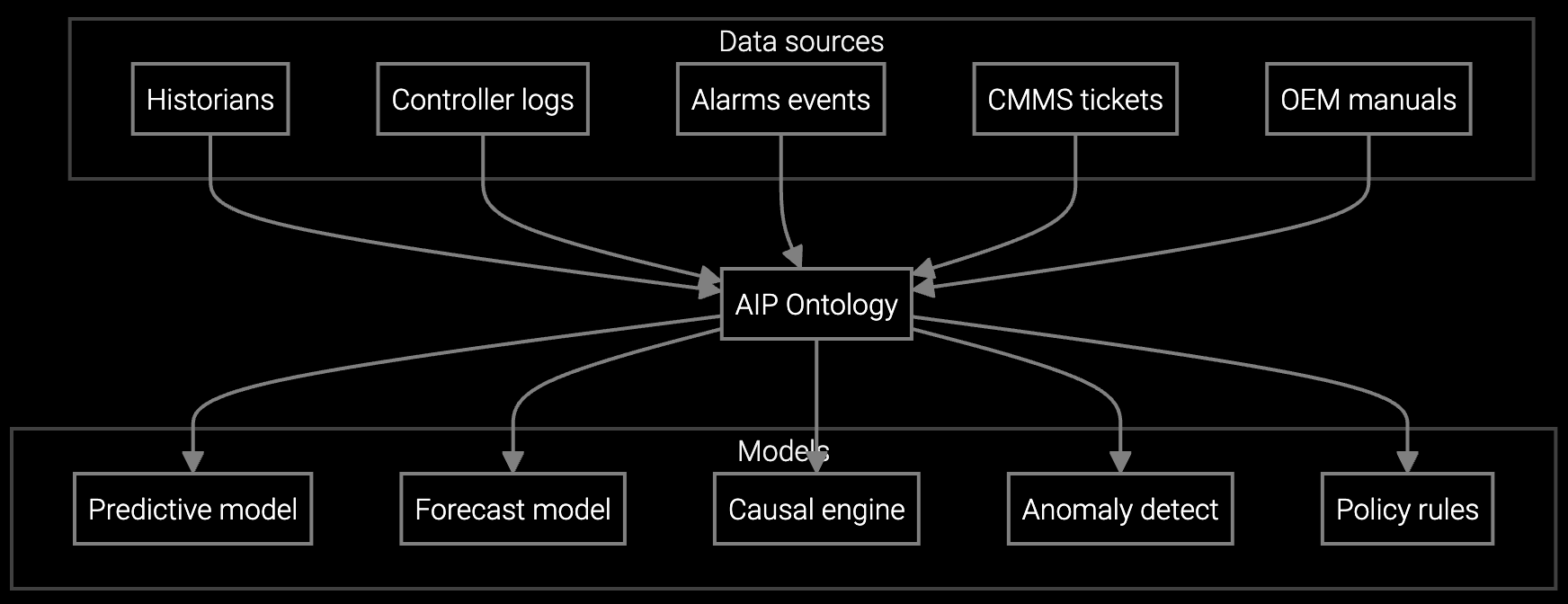
Hyperscale operations fail when actual server, storage, and cooling configs diverge from documentation.
Configuration drift occurs when deployed servers, storage, and cooling systems deviate from their documented state. AI-powered asset tracking continuously monitors IPMI and BMC telemetry to detect undocumented firmware changes, unauthorized hardware swaps, and infrastructure variance, enabling automated reconciliation before drift causes service disruptions.
Engineering teams apply emergency BIOS or BMC firmware patches during incidents without updating configuration management databases. Weeks later, untracked firmware versions cause unexpected behavior during routine updates or capacity expansions.
Replacing failed memory DIMMs, power supplies, or storage drives in hyperscale environments often bypasses asset tracking systems. The physical infrastructure drifts from inventory records, breaking warranty coverage and complicating RMA processes.
Data center expansion, rack migrations, and network reconfiguration create discrepancies between documented network topology and actual cable paths. This drift causes troubleshooting delays and increases mean time to resolution when failures occur.
Bruviti's platform ingests IPMI and BMC telemetry streams alongside configuration management database exports to detect discrepancies in real time. Python SDKs enable developers to define custom reconciliation rules that match your specific hardware fleet and operational policies, comparing documented state against actual sensor readings, firmware versions, and hardware identifiers.
The headless architecture integrates with existing SAP, Oracle ERP, and custom data lakes through RESTful APIs, allowing you to trigger automated remediation workflows when drift exceeds acceptable thresholds. You control the logic—whether to auto-correct configuration records, flag for manual review, or roll back unauthorized changes—without being locked into proprietary tooling.
Monitor IPMI streams across thousands of servers to identify thermal anomalies and power distribution issues before they cascade into outages.
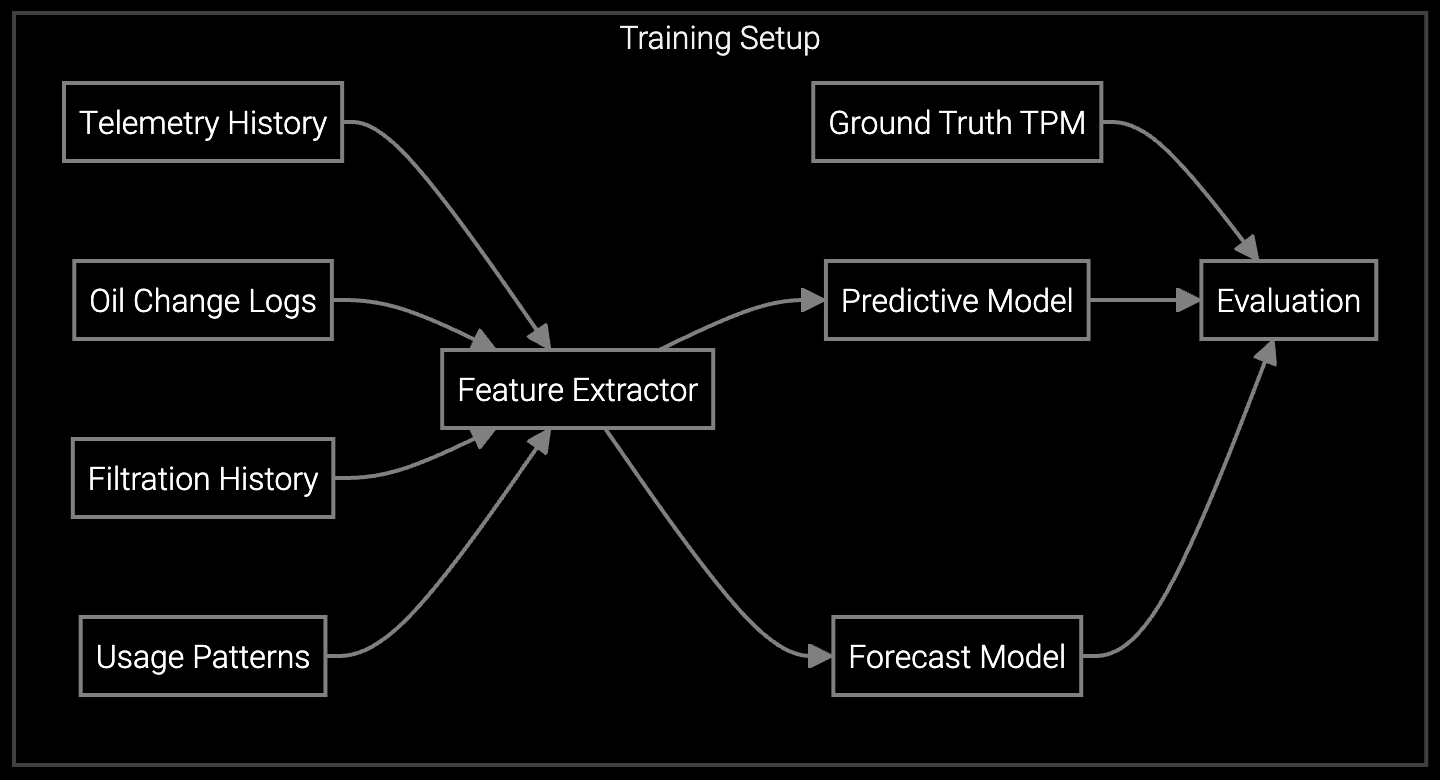
Virtual models of cooling systems and PDUs track expected versus actual performance, flagging configuration drift in real time.

Detect when deployed firmware versions deviate from baseline configurations, preventing compatibility failures during infrastructure updates.
Managing configuration state across tens of thousands of servers, storage nodes, and cooling units requires continuous automated reconciliation. Manual quarterly audits miss unauthorized BIOS updates applied during late-night incidents, leaving infrastructure vulnerable to incompatibility failures during planned capacity expansions.
Data center OEMs face unique drift patterns driven by rapid provisioning cycles, emergency hotfixes, and hardware diversity across multiple vendors and generations. IPMI and BMC telemetry streams provide the ground truth needed to reconcile documented state with reality, but only if ingested and analyzed continuously rather than sampled periodically.
Asset tracking systems ingest IPMI and BMC telemetry continuously, comparing hardware identifiers, firmware versions, and sensor readings against configuration management database records. Machine learning algorithms flag discrepancies that exceed defined thresholds, triggering automated reconciliation workflows or alerts for manual review.
Yes. Python and TypeScript SDKs allow developers to write custom reconciliation logic that matches your operational policies. You control whether to auto-correct records, flag for review, or trigger rollback workflows. The headless architecture ensures your rules remain portable across platforms.
When the platform detects firmware versions that deviate from documented state, it triggers configurable workflows. Common responses include updating the configuration database to reflect reality, alerting infrastructure teams for validation, or scheduling automated rollback during maintenance windows if the change was unauthorized.
Real-time telemetry ingestion detects hardware component changes within minutes of occurrence. BMC sensors report unique hardware identifiers for memory, storage, power supplies, and network cards. Any mismatch between sensor data and asset records triggers immediate drift alerts.
No. IPMI and BMC telemetry streams already exist in modern data centers and consume negligible bandwidth. The platform processes this data asynchronously without impacting production workloads. Data sampling rates and retention policies are fully configurable to match your infrastructure constraints.
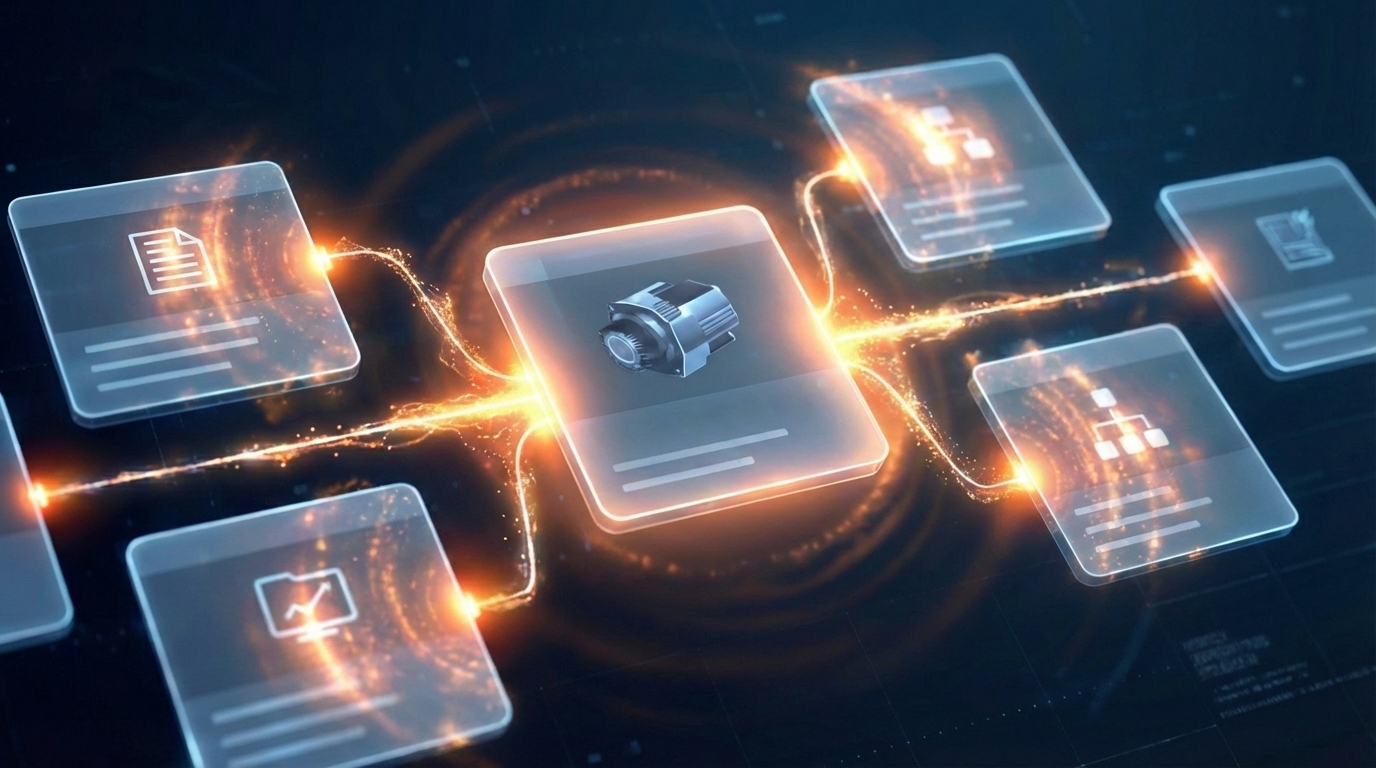
Software stocks lost nearly $1 trillion in value despite strong quarters. AI represents a paradigm shift, not an incremental software improvement.
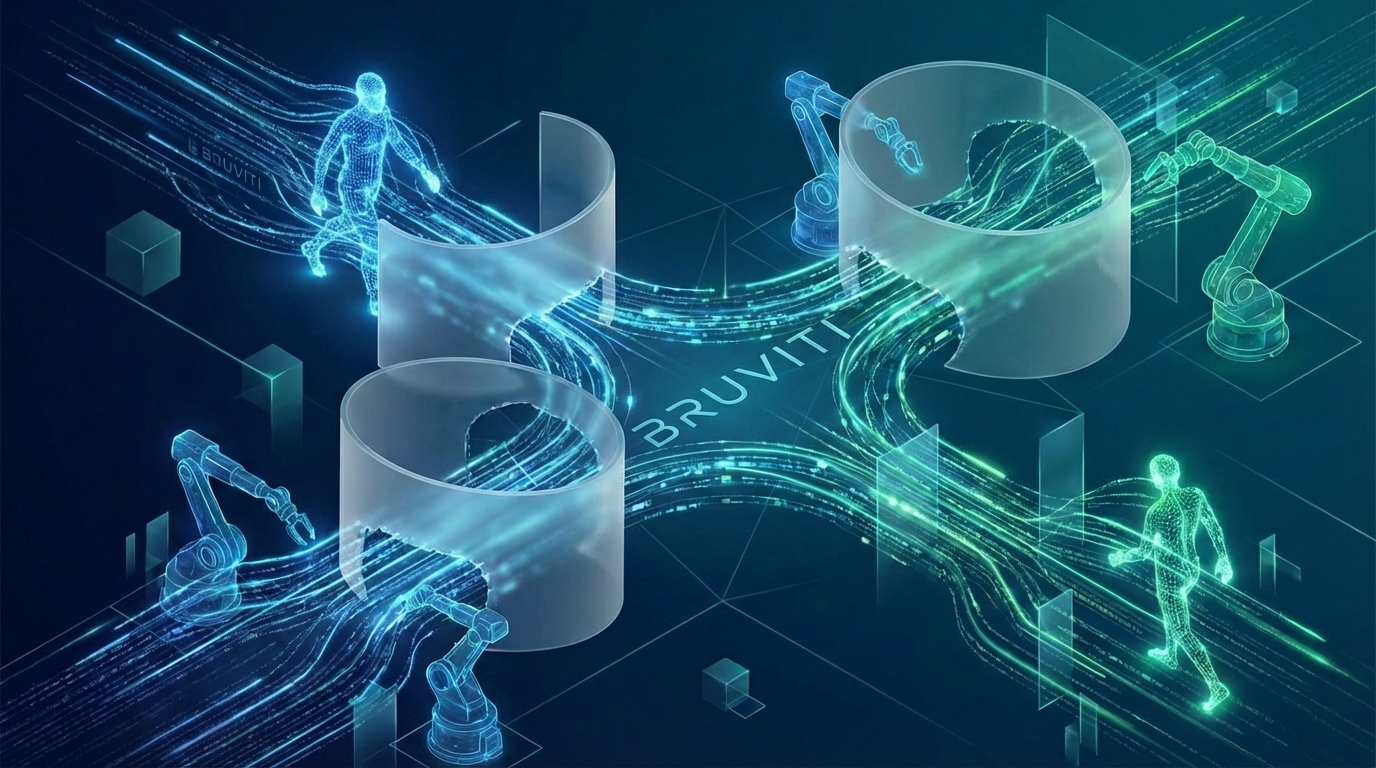
Function-scoped AI improves local efficiency but workflow-native AI changes cost-to-serve. The P&L impact lives in the workflow itself.
Five key shifts from deploying nearly 100 enterprise AI workflow solutions and the GTM changes required to win in 2026.
Explore Bruviti's Python SDKs and API documentation to integrate automated configuration reconciliation without vendor lock-in.
See Platform Documentation