
Manual claims validation costs appliance OEMs millions annually while high-volume returns demand faster, more accurate processing.
Warranty claims automation for appliance manufacturers orchestrates entitlement verification, NFF detection, fraud screening, and refurbishment routing through event-driven APIs. Python SDKs let developers customize claim validation rules, integrate with existing warranty systems, and extend fraud detection models without vendor lock-in.
Claims processors manually look up warranty status across fragmented systems for refrigerators, HVAC units, and washers spanning decades of product models. Each lookup adds delay and introduces human error in coverage determination.
Appliances returned under warranty often show no defect upon inspection. Without automated diagnosis at claim initiation, OEMs pay reverse logistics and refurbishment costs for units that never needed replacement.
Manual review cannot identify fraudulent claim patterns across thousands of daily submissions. Repeat offenders exploit gaps, inflating warranty reserves and eroding margins on already thin appliance business models.
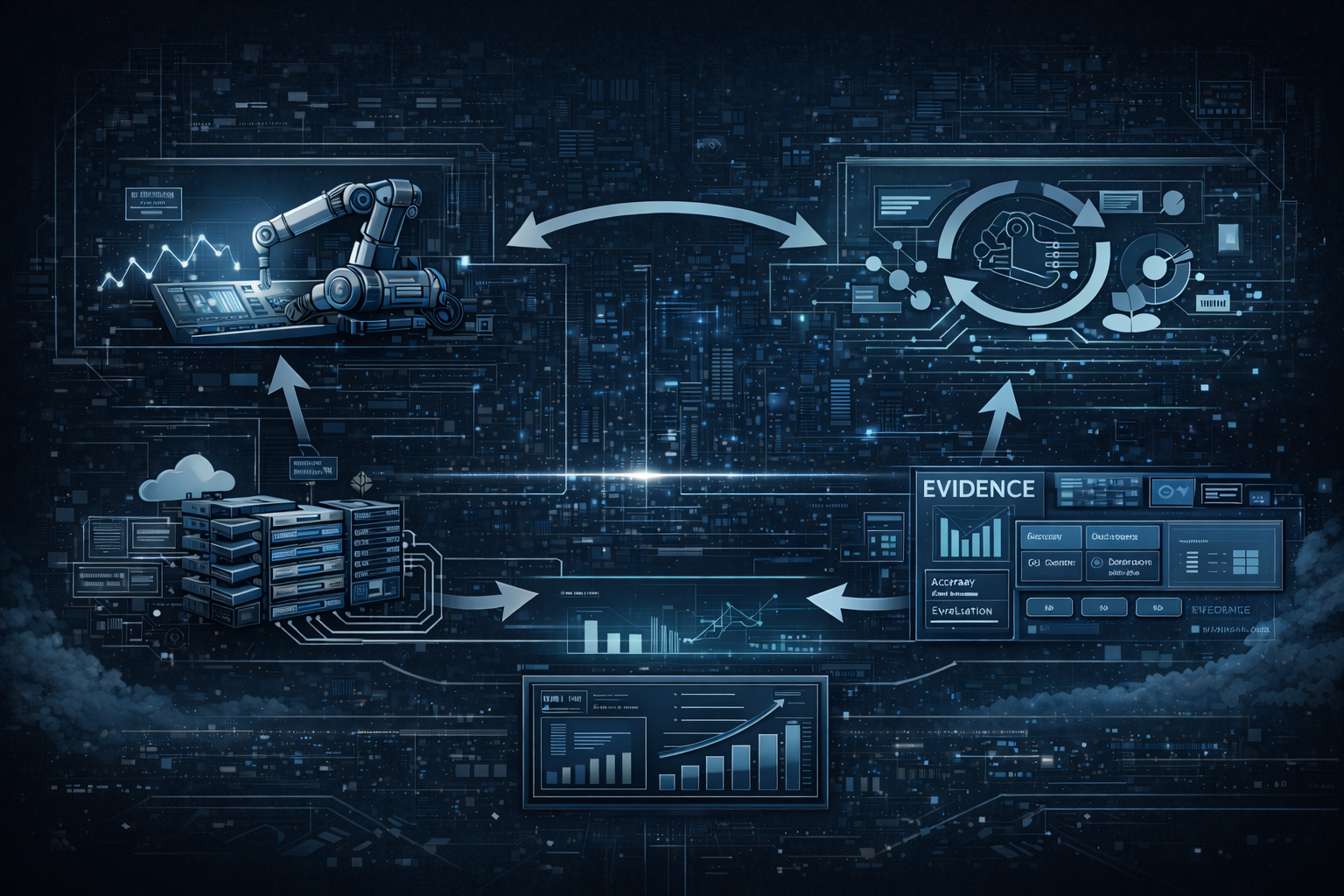
Bruviti's platform exposes RESTful APIs and Python SDKs that let developers orchestrate warranty claims workflows without rebuilding validation logic from scratch. When a claim arrives, the system triggers event-driven automation: entitlement verification pulls warranty status from your ERP, NFF prediction models analyze symptom descriptions against historical failure data, and fraud detection flags suspicious patterns before RMA generation.
You define custom claim validation rules in Python, integrate with existing SAP or Oracle warranty modules via API endpoints, and extend fraud detection models with your proprietary claim data. The headless architecture ensures you own the workflow logic while delegating heavy AI lifting to managed services. This prevents vendor lock-in and lets your team iterate on claim routing, approval thresholds, and refurbishment disposition rules without platform vendor dependency.
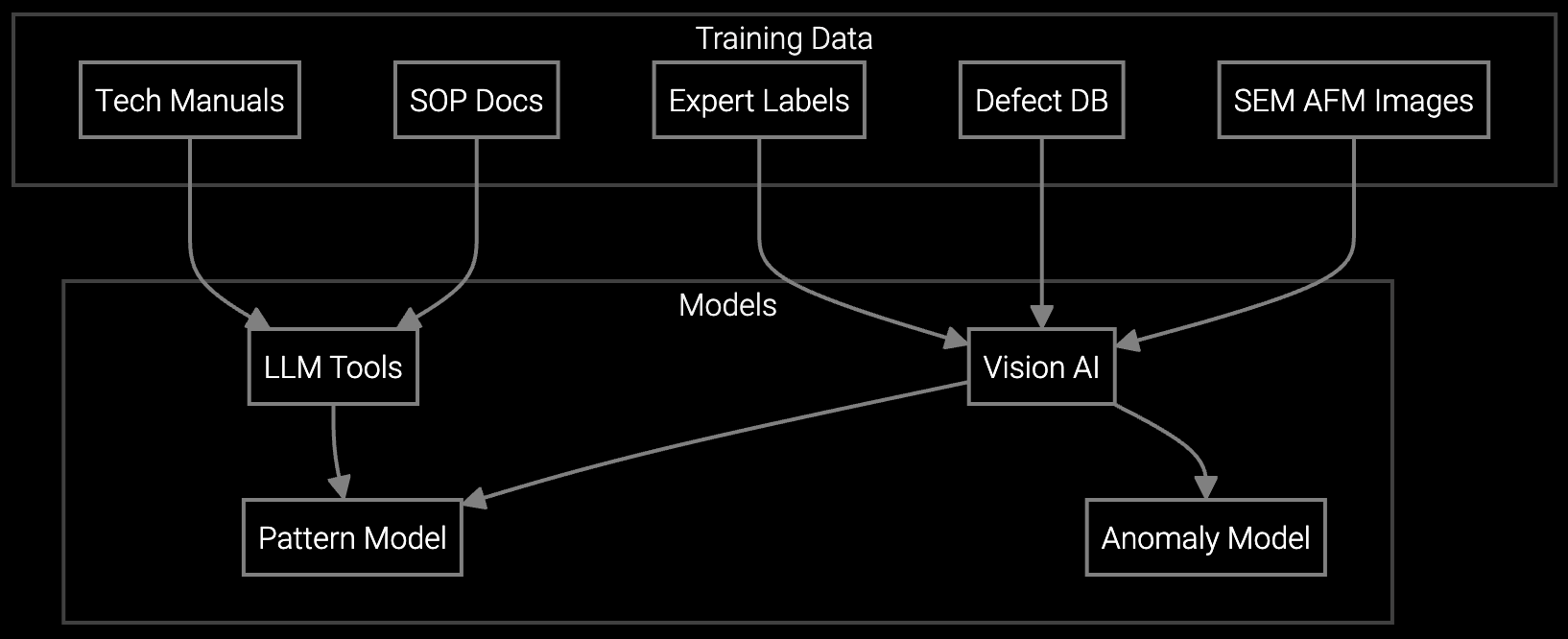
Automate defect classification for returned refrigeration compressors and HVAC components using microscopic failure analysis, reducing manual inspection time.
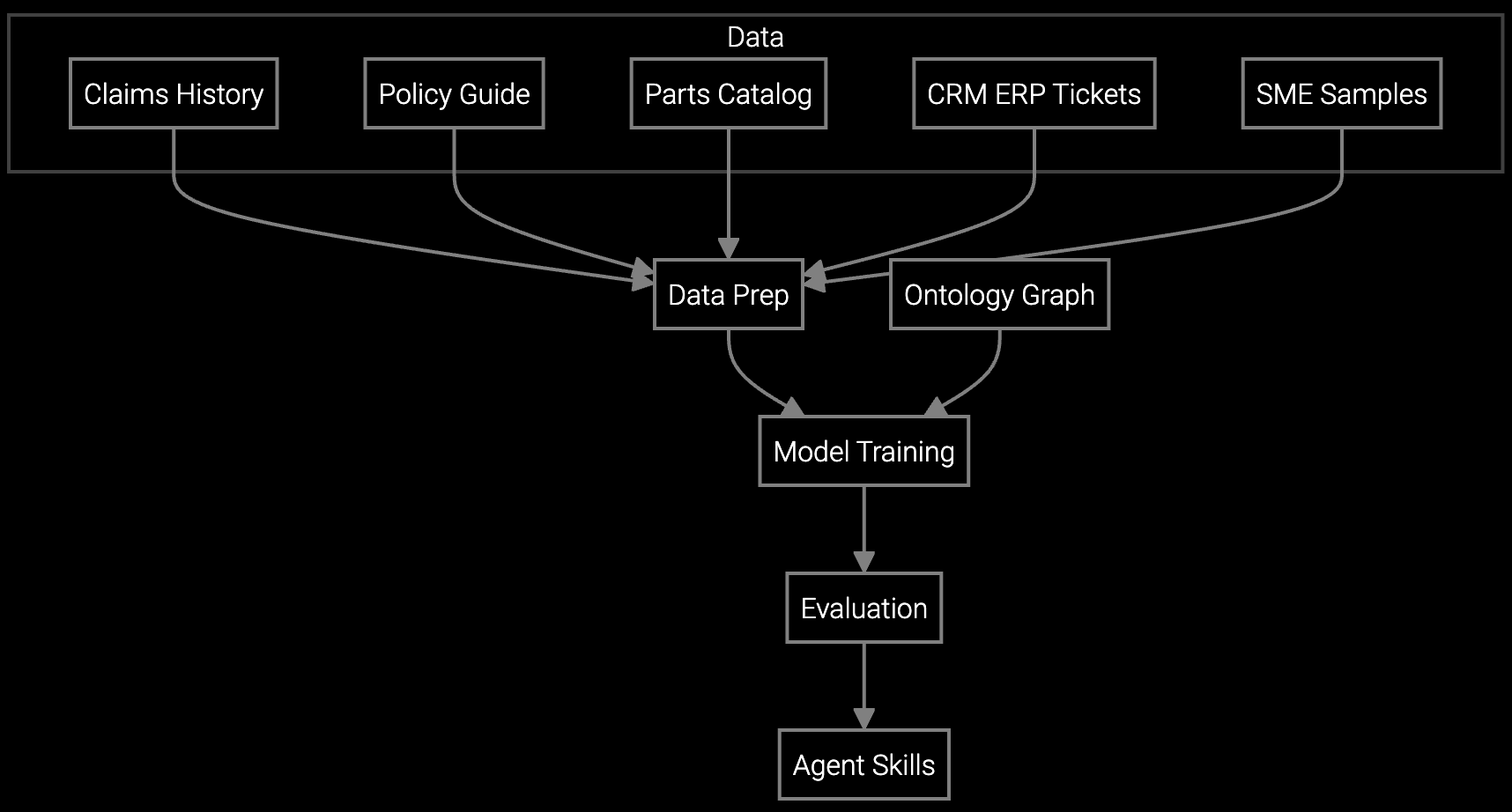
Automatically classify warranty claims by failure mode and route to correct refurbishment queues, eliminating manual coding bottlenecks for high-volume appliance returns.
Appliance manufacturers process thousands of warranty claims daily across refrigerators, dishwashers, HVAC systems, and laundry equipment. Thin margins demand precise warranty cost control. Automated entitlement verification pulls registration data, purchase dates, and coverage terms from your warranty database the moment a claim arrives, eliminating manual lookups that delay RMA approvals.
NFF prediction models analyze symptom descriptions against historical failure patterns for each appliance model and production batch. When a customer reports a refrigerator not cooling, the system compares against known compressor failures, refrigerant leaks, and control board issues for that SKU. Claims flagged as likely NFF trigger troubleshooting workflows before authorizing return shipping, cutting unnecessary reverse logistics costs.
Use the Python SDK to call entitlement verification and fraud detection endpoints via REST APIs. Standard OAuth authentication and webhook support let you trigger claim validation workflows from SAP events without middleware. API documentation provides SAP-specific integration examples for warranty master data sync and claim status updates.
Yes. The platform lets you retrain NFF prediction models using your proprietary claim and refurbishment data. Upload historical claims coded by failure mode, and the training API fine-tunes models to recognize patterns unique to your refrigeration compressors, HVAC components, or laundry equipment. You maintain model ownership and IP.
Fraud detection models analyze claim frequency by customer, serial number reuse, geographic clustering, and symptom description patterns. Feed the API your historical claims data including customer IDs, product serial numbers, claim dates, and refurbishment outcomes. The model flags statistical anomalies like repeat claims for the same serial number or customers submitting unusually high claim volumes.
Write Python functions that evaluate claim attributes and route to appropriate queues. For example, route refrigerator compressor failures to specialized refurbishment centers while directing cosmetic damage claims to standard repair facilities. The SDK provides workflow orchestration primitives and conditional routing examples you extend with your business logic.
Yes. The API-first design integrates with existing warranty systems via REST endpoints. Continue using your current platform for warranty registration and master data while calling Bruviti APIs for entitlement verification, NFF prediction, and fraud screening. This headless approach avoids risky platform migrations and vendor lock-in.
Software stocks lost nearly $1 trillion in value despite strong quarters. AI represents a paradigm shift, not an incremental software improvement.
Function-scoped AI improves local efficiency but workflow-native AI changes cost-to-serve. The P&L impact lives in the workflow itself.
Five key shifts from deploying nearly 100 enterprise AI workflow solutions and the GTM changes required to win in 2026.
See how Bruviti's APIs and Python SDKs let you customize claims workflows while maintaining platform independence.
Talk to an Engineer