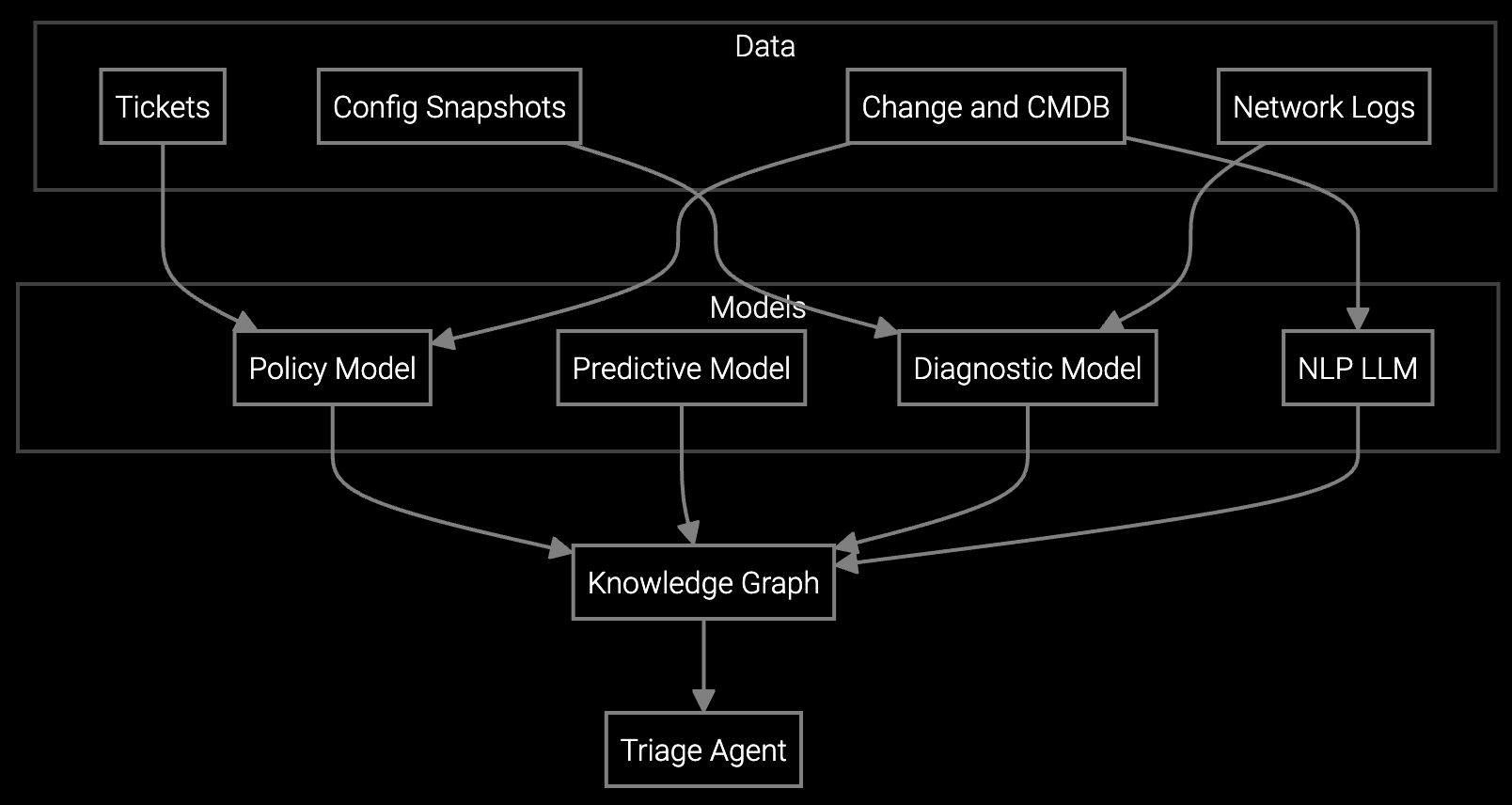
Connected appliances generate gigabytes of telemetry, but support engineers waste hours parsing logs manually.
AI-guided remote diagnostics auto-triage 60% of incoming faults and cut resolution time by 20 to 30%, per Bruviti deployment data. Builders wire the fault model to call logs and device telemetry so the agent surfaces a ranked cause before a tech is ever dispatched, deflecting work upstream.
IoT-enabled refrigerators, HVAC systems, and washers each use proprietary data formats. Building unified parsers for temperature logs, motor telemetry, and error codes across product lines requires custom integration work that delays deployment.
Off-the-shelf remote support platforms provide no access to retrain or tune models when they misdiagnose compressor failures or refrigerant leaks. Support engineers lose trust in recommendations they cannot customize for appliance-specific failure modes.
Legacy remote access platforms charge per-seat licensing and force data into closed ecosystems. Migrating historical session data and retraining models when switching vendors creates technical debt that persists for years.
Bruviti's Python and TypeScript SDKs provide API-first integration with existing remote access tools like TeamViewer or LogMeIn. Developers ingest telemetry streams from connected appliances using standard REST endpoints, parse proprietary formats with customizable parsers, and execute root cause analysis without migrating data to a closed platform.
The platform trains on your historical warranty claims and field service notes, then exposes inference APIs that support engineers call during remote sessions. Custom model weights stay in your infrastructure. When an HVAC system logs a compressor fault, the SDK correlates refrigerant pressure, temperature deltas, and runtime hours to recommend specific troubleshooting steps before dispatching a technician.
Appliance manufacturers generate telemetry from refrigerators monitoring defrost cycles, HVAC systems tracking refrigerant pressure, and washers logging motor vibration. Each product line uses different IoT platforms and data schemas. Developers integrate Bruviti's SDKs with existing middleware that normalizes these streams before analysis.
Remote sessions capture error codes, temperature logs, and usage patterns. The platform correlates this data with warranty claims history to identify failure signatures like compressor wear or sensor drift. Support engineers receive ranked troubleshooting steps that reference the appliance's specific model year and firmware version, reducing unnecessary escalations to field service.
The platform provides native SDKs for Python and TypeScript with full API documentation. Developers can integrate telemetry ingestion, model inference, and session analytics using standard REST endpoints. All core functionality is accessible through these SDKs without requiring proprietary languages or frameworks.
Bruviti operates as a headless diagnostics layer that complements rather than replaces remote access platforms. Support engineers continue using their existing tools for screen sharing and device control while calling Bruviti's inference APIs for automated log analysis and guided troubleshooting during active sessions.
Yes. The platform exposes training APIs that accept historical warranty claims, field service notes, and telemetry data. Developers can retrain models on proprietary failure modes specific to their product lines. Model weights remain in your infrastructure with no requirement to share training data with third parties.
Developers implement custom parsers using the SDK's extensible data ingestion framework. The platform provides reference parsers for common IoT protocols and error code schemas, which teams adapt for refrigerator temperature logs, HVAC pressure readings, or washer motor telemetry. Parsed data feeds into a unified model for cross-product analysis.
All training data, model weights, and inference results remain in your infrastructure. The platform operates as a self-hosted or private cloud deployment with no requirement to store data in Bruviti-managed systems. Developers can export models in standard formats and migrate to alternative inference engines without data loss.
Software stocks lost nearly $1 trillion in value despite strong quarters. AI represents a paradigm shift, not an incremental software improvement.
Function-scoped AI improves local efficiency but workflow-native AI changes cost-to-serve. The P&L impact lives in the workflow itself.
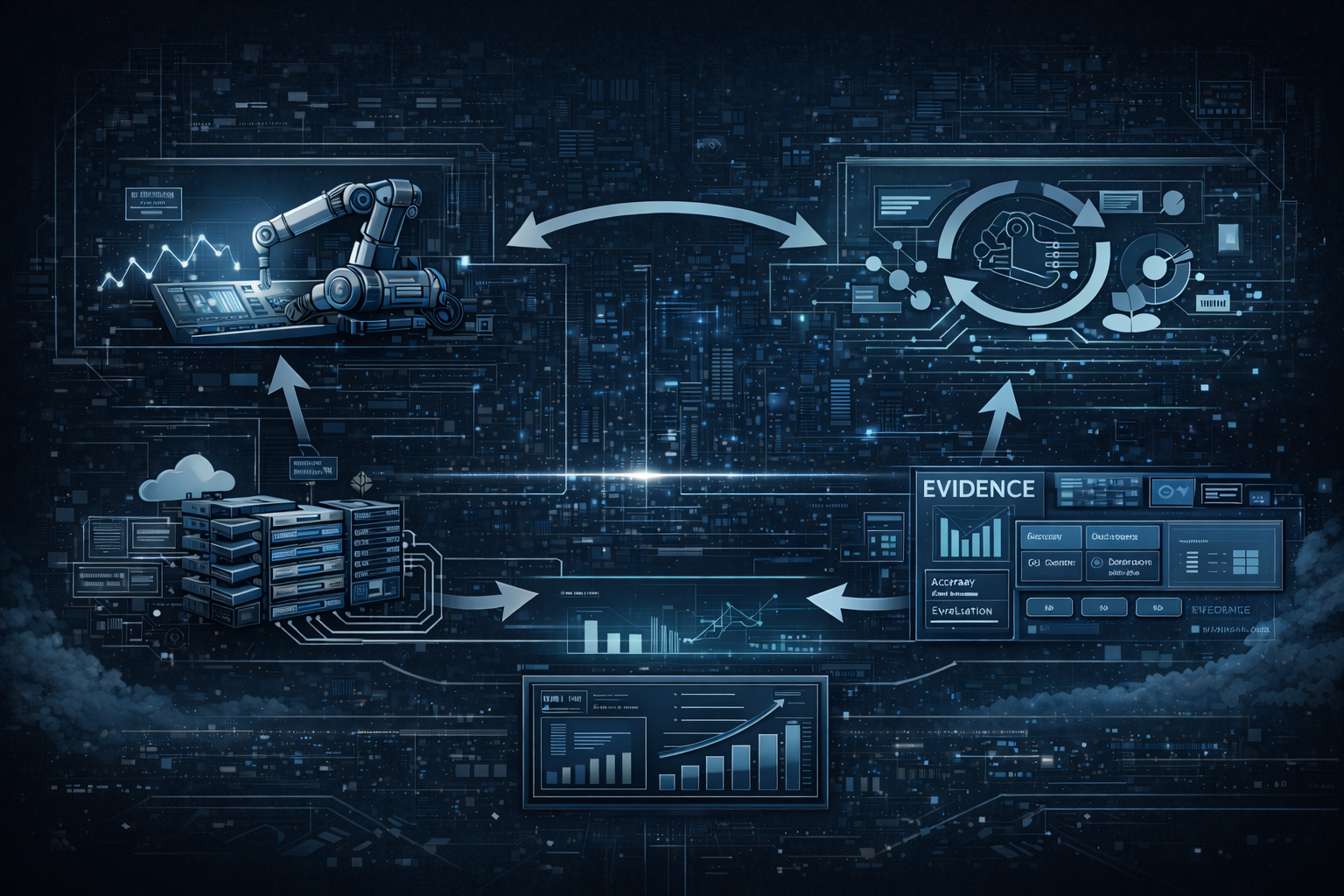
Five key shifts from deploying nearly 100 enterprise AI workflow solutions and the GTM changes required to win in 2026.
Connect with our technical team to review API documentation and deployment architecture for appliance telemetry.
Schedule Technical Review