
Router and switch RMAs drain your day with manual entitlement lookups and NFF guesswork—automation removes the drudgery.
Deploy AI validation in your RMA workflow using existing warranty system APIs. Entitlement checks run automatically during claim submission. NFF reduction starts on day one with pre-configured fraud detection rules.
Every RMA request requires checking serial numbers across multiple systems. You toggle between warranty portals, CRM records, and service history databases just to confirm coverage status before issuing an authorization.
Network devices arrive at your RMA facility with vague "not working" descriptions. Testing reveals no hardware defects—the issue was firmware version mismatch or configuration error. You absorb shipping and handling costs for unnecessary returns.
Your queue grows during firmware vulnerability windows when customers flood RMA requests. Each claim needs manual review to distinguish hardware failure from patchable software issues. SLA breaches pile up during peak periods.
Connect the platform to your warranty system using REST APIs. When a claim arrives, AI validates serial number entitlement, checks device telemetry for actual hardware symptoms, and flags likely NFF cases before you issue the RMA. The validation layer sits between your claim submission form and approval queue—no workflow redesign required.
Pre-trained models detect common network equipment failure patterns: power supply degradation signatures in SNMP logs, memory errors indicating real hardware faults versus firmware bugs, port failure telemetry distinguishing cable issues from switch failures. You review AI-generated recommendations in a single pane, approve valid claims in seconds, and redirect NFF-likely cases to firmware update guidance automatically.
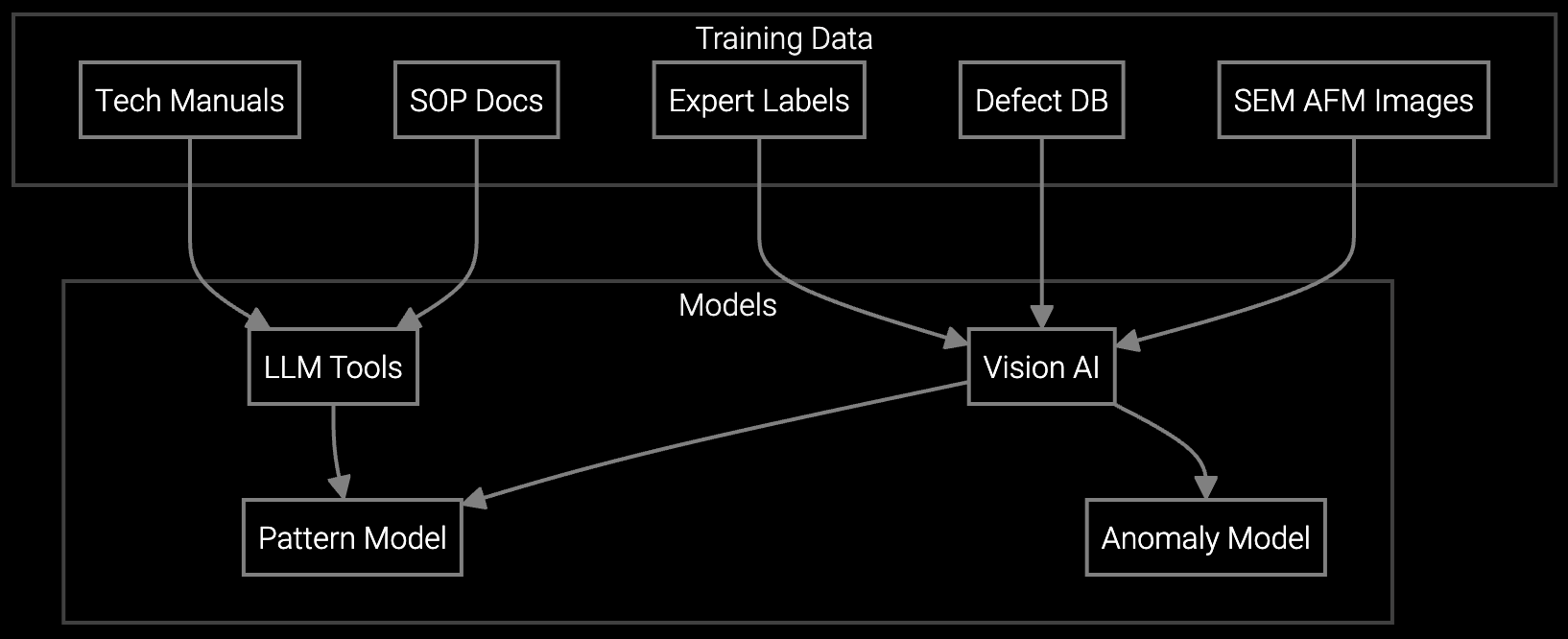
AI analyzes microscopic images of returned network ASICs to identify manufacturing defects versus field damage, validating warranty claims for optical transceivers and switch silicon.
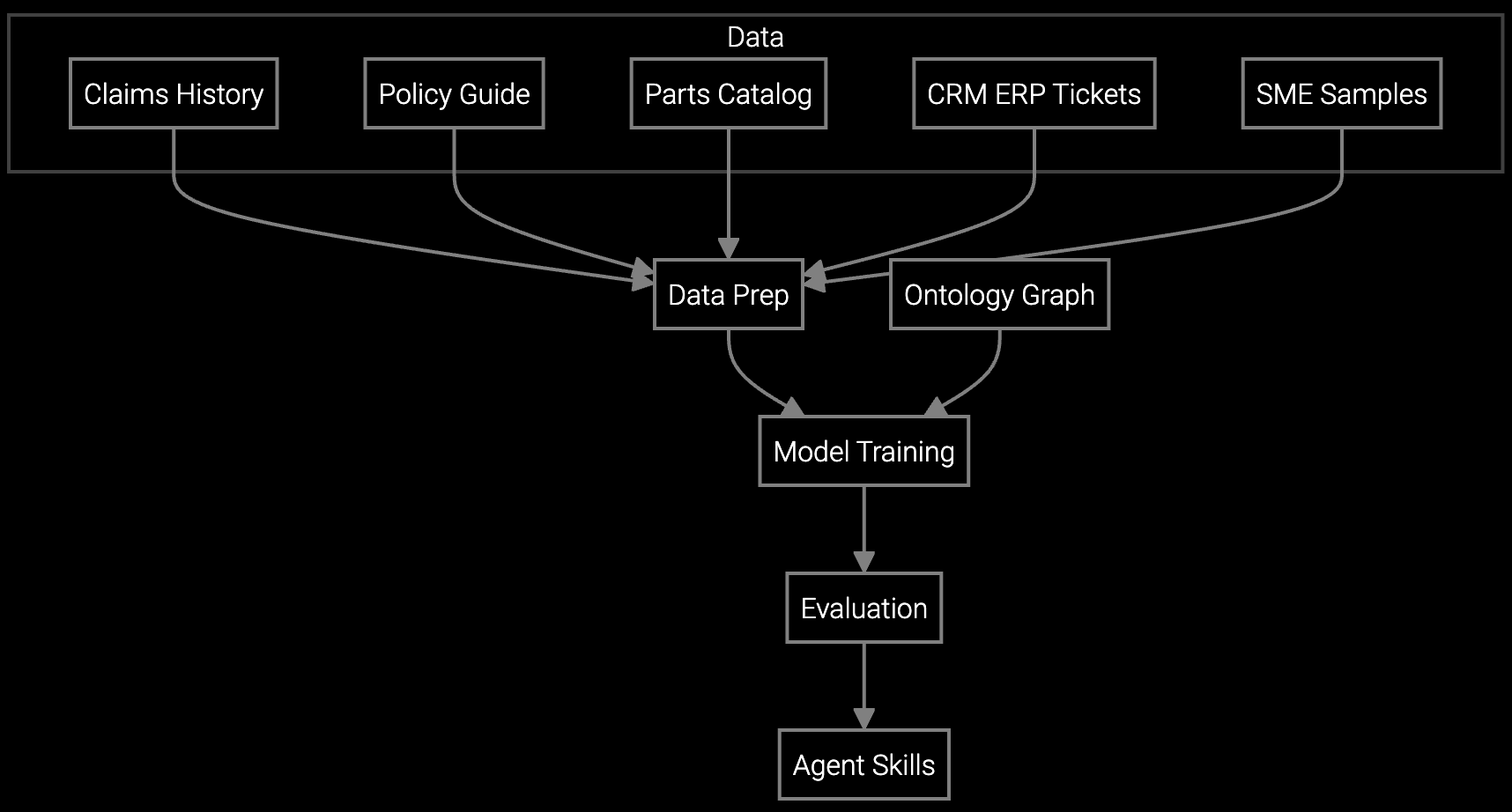
Automatically classifies network equipment RMA requests by failure mode—power, firmware, port, memory—reducing manual review time and improving warranty analytics accuracy.
Network equipment warranty processing depends on telemetry data that reveals hardware health before RMA issuance. Router syslog errors, switch temperature sensors, SNMP trap history, and firmware version records provide the diagnostic context to separate real hardware failures from configuration or software issues.
The platform ingests existing telemetry streams from your NOC monitoring tools and installed base management systems. Pre-configured validation rules detect patterns like power supply voltage drift, memory ECC error escalation, or ASIC thermal throttling—signatures that confirm genuine hardware failure and justify warranty replacement for routers, switches, and optical transport gear.
API integration with your warranty system typically completes in 2-3 weeks. Pre-configured fraud detection rules activate immediately. Custom validation logic for your specific network equipment portfolio adds another 1-2 weeks for model training on your historical RMA data.
The platform ingests warranty entitlement records, device serial numbers, syslog history, SNMP trap data, firmware version tracking, and service history. Telemetry from routers and switches provides diagnostic signals. Most OEMs already collect this data in NOC monitoring systems—the platform simply connects to existing data streams via API.
Yes. The system presents validation results as recommendations, not automatic approvals. You review AI-flagged NFF-likely cases and make final decisions. Override reasons feed back into the model to improve accuracy. Most warranty teams transition to higher automation thresholds after validating AI precision over 30-60 days.
The platform handles RMA processing for your OEM's products. If your customers operate multi-vendor networks, the AI still validates claims for your equipment by analyzing your devices' telemetry. Cross-vendor compatibility issues that trigger false RMAs get detected through log correlation showing the failure originated in another vendor's gear.
Bruviti analyzes device telemetry and failure descriptions before RMA issuance. Pre-configured rules detect patterns indicating firmware bugs, configuration errors, or environmental issues rather than hardware defects. The system automatically routes these cases to troubleshooting guides or firmware update workflows instead of generating RMAs, cutting unnecessary returns by 40-50%.
Software stocks lost nearly $1 trillion in value despite strong quarters. AI represents a paradigm shift, not an incremental software improvement.
Function-scoped AI improves local efficiency but workflow-native AI changes cost-to-serve. The P&L impact lives in the workflow itself.

Five key shifts from deploying nearly 100 enterprise AI workflow solutions and the GTM changes required to win in 2026.
See how Bruviti deploys in your warranty workflow without replacing existing systems.
Schedule Setup Walkthrough