
Manual asset reconciliation across NOC systems, ERP databases, and SNMP telemetry creates configuration blindspots that delay firmware rollouts.
Automated installed base workflows connect telemetry feeds, asset registries, and service systems to detect configuration drift, trigger firmware updates, and identify renewal opportunities without manual reconciliation across multiple platforms.
Network operations teams manually compare SNMP data against asset registries to identify firmware versions, security patch levels, and EOL devices. Each audit cycle requires custom scripts across disparate data sources.
Identifying which devices require critical security patches demands cross-referencing serial numbers, current firmware versions, and vulnerability databases. Incomplete asset data creates compliance gaps and extends vulnerability windows.
Service contract opportunities slip through when asset records lack accurate entitlement dates, usage patterns, and EOL timelines. Sales teams operate without visibility into which customer sites need proactive engagement.
Bruviti's platform ingests SNMP traps, syslog streams, and telemetry feeds via standard APIs, continuously reconciling live network state against asset registries without manual intervention. When configuration drift occurs—a firmware downgrade, unauthorized config change, or new device appearing on the network—the platform triggers predefined workflows: creating service tickets, notifying NOC staff, or flagging compliance violations.
The architecture uses event-driven automation to execute multi-step processes end-to-end. A detected CVE vulnerability automatically identifies affected devices across the installed base, cross-references entitlement status, generates remediation plans by site priority, and queues firmware update jobs for approval. Developers customize workflow logic using Python SDKs, defining decision trees that route different scenarios to appropriate systems without hard-coding integrations.
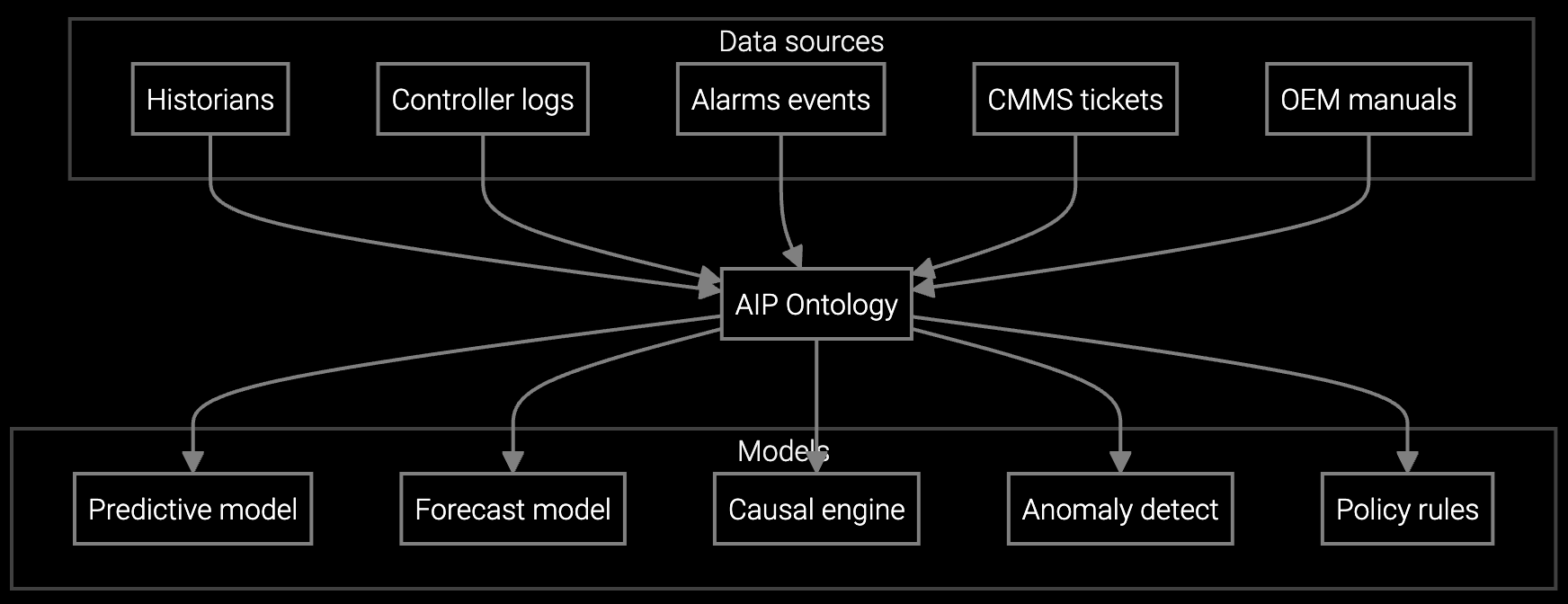
Analyzes router and switch telemetry streams to identify anomalies in packet loss, latency, and error rates before they trigger customer-impacting outages.

Continuously monitors network device behavior across NOC environments, alerting when SNMP readings deviate from baseline performance patterns.
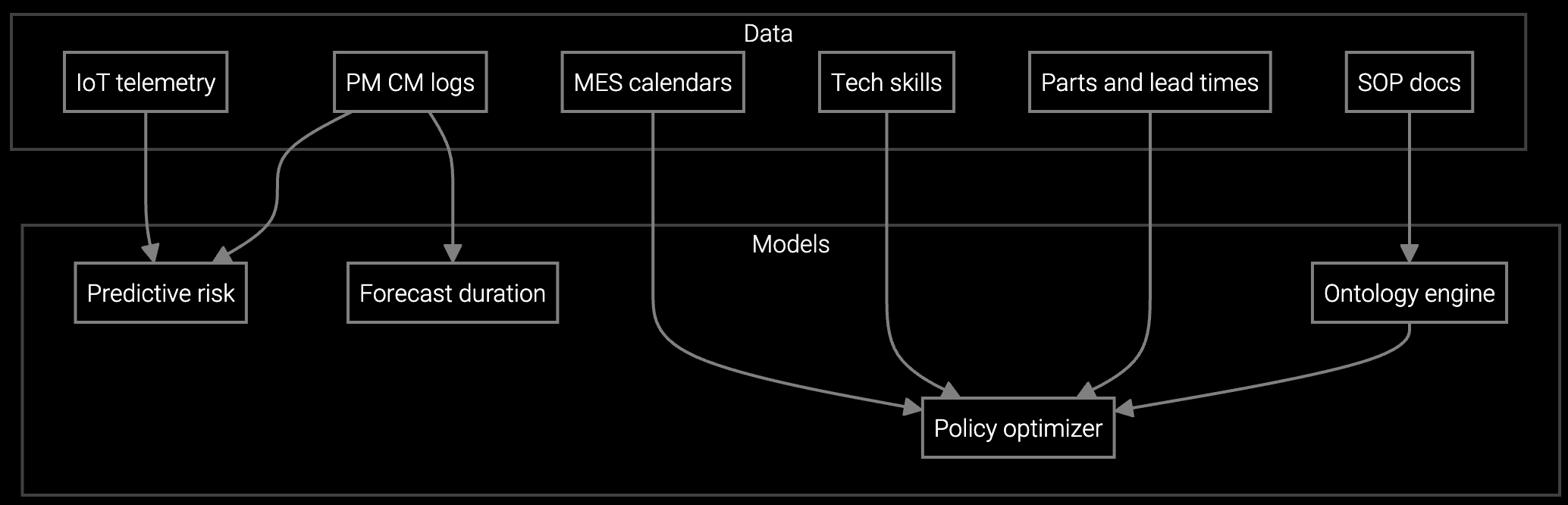
Schedules firewall and load balancer maintenance based on actual traffic patterns and hardware health metrics rather than fixed calendar intervals.
Network equipment manufacturers face unique installed base challenges at scale. Enterprise customers deploy hundreds of routers, switches, and firewalls across distributed sites, each generating continuous telemetry through SNMP, NetFlow, and syslog protocols. Meanwhile, carrier-grade deployments involve thousands of devices supporting five-nines uptime SLAs where configuration errors or delayed firmware patches directly impact network availability.
The platform integrates with existing NOC monitoring tools, ERP systems, and service management platforms via REST APIs. When a security advisory is published, automated workflows identify every affected device across the installed base, prioritize remediation by customer SLA tier, and generate site-specific patch schedules accounting for maintenance windows. This eliminates weeks of manual serial number lookups and spreadsheet reconciliation that traditionally delay critical security responses.
The platform consumes SNMP traps, syslog streams, and NetFlow data via standard protocols without requiring changes to existing monitoring infrastructure. RESTful APIs enable bidirectional communication with NOC systems to retrieve device inventories and push workflow outputs like compliance reports or remediation tickets back into existing service management platforms.
Yes. Python SDKs allow developers to define custom decision trees that route events differently based on customer SLA tier, device criticality, or contract type. For example, a firmware vulnerability in a carrier-grade router can trigger immediate escalation workflows while the same issue in an SMB deployment follows standard patch scheduling. All workflow logic remains version-controlled in your codebase.
Minimum requirements are an asset registry with serial numbers and intended configurations, plus live telemetry feeds showing actual device state. Most network OEMs already collect SNMP data and maintain asset databases; the workflow automation connects these existing sources to continuously compare intended versus actual state without manual polling.
Workflow rules include configurable thresholds and suppression logic. Rather than alerting on every minor configuration deviation, the system batches low-severity changes into daily digest reports while immediately escalating events matching predefined risk patterns—unauthorized firmware downgrades, EOL devices appearing on critical networks, or config changes during change freeze windows. Developers tune these thresholds based on operational experience.
Bruviti supports deployment models where telemetry data remains in your environment. The platform can run within your VPC, consuming local data lakes and writing workflow outputs to your systems without egress. This architecture addresses data sovereignty requirements common in telecommunications and critical infrastructure deployments where network telemetry contains operationally sensitive information.

Software stocks lost nearly $1 trillion in value despite strong quarters. AI represents a paradigm shift, not an incremental software improvement.
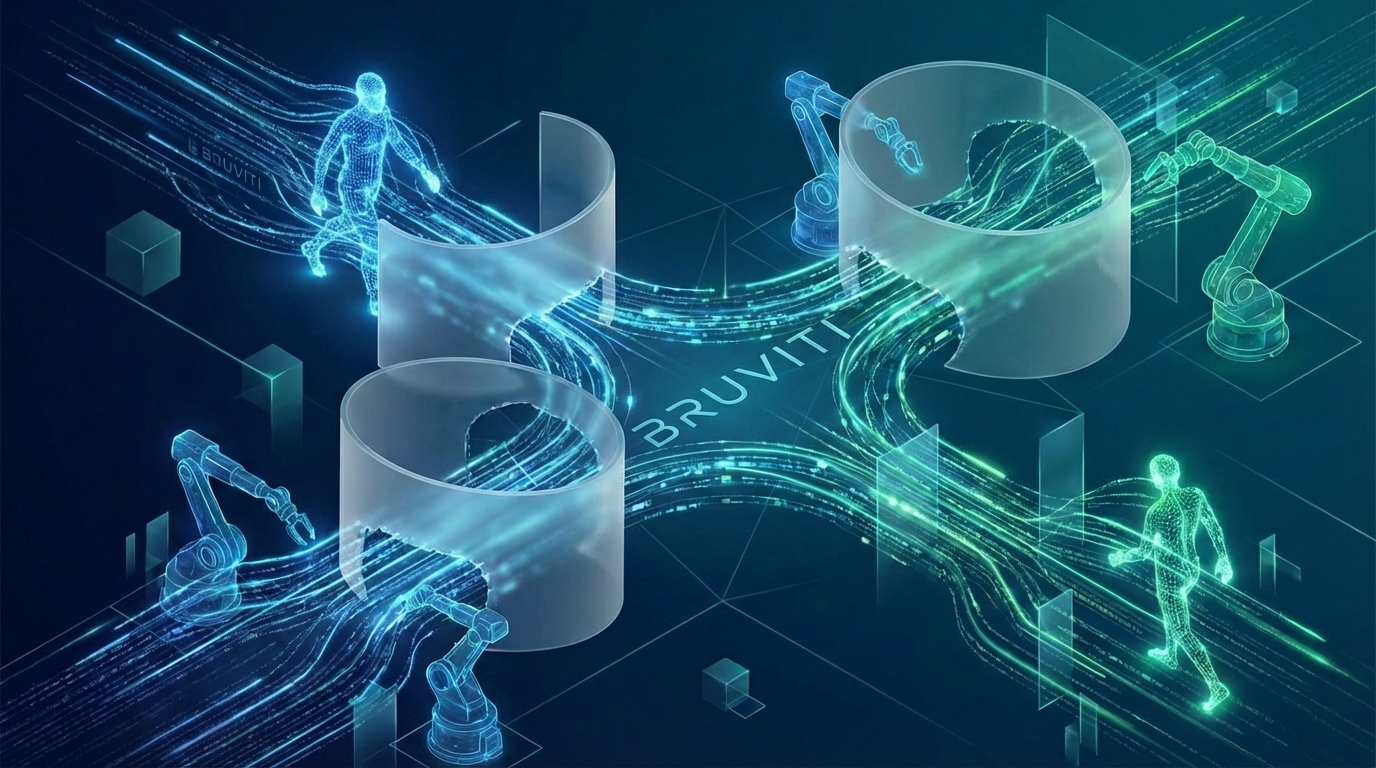
Function-scoped AI improves local efficiency but workflow-native AI changes cost-to-serve. The P&L impact lives in the workflow itself.

Five key shifts from deploying nearly 100 enterprise AI workflow solutions and the GTM changes required to win in 2026.
Integrate asset intelligence workflows using Python SDKs and open APIs that connect to your existing infrastructure.
See the Platform