
Connected appliances generate visibility gaps that silently erode contract renewal rates and inflate warranty exposure.
Integrate asset tracking AI through existing warranty and IoT systems. The platform connects to serial number databases, telemetry feeds, and service records—no rip-and-replace required. Deploy in weeks using API endpoints for configuration monitoring and contract attachment.
Serial numbers never captured at registration leave entire product cohorts invisible. Customer service resolves issues without updating asset records. Configuration changes happen in the field with no system of record.
Connected appliances receive firmware updates outside your service workflow. IoT devices fail and get field-replaced without updating central records. What your system shows diverges from what's actually deployed.
Extended warranties expire unnoticed because your team lacks visibility into coverage status. Service contracts lapse when nobody knows which appliances are approaching end-of-warranty. Renewal opportunities disappear into incomplete data.
Bruviti's platform connects to your existing warranty management system, IoT telemetry infrastructure, and service ticketing platform through RESTful APIs. The implementation team maps your serial number schema, configuration attributes, and contract data models during the integration phase. No legacy system replacement required—the AI layer sits above your current infrastructure and reconciles asset data across disconnected sources.
The platform ingests warranty registration events, IoT connectivity status changes, and service interaction records in real time. Machine learning models identify missing serial numbers, detect configuration drift between system records and deployed state, and flag contract renewal opportunities based on coverage expiration dates. Executives gain a unified asset view without forcing service teams to change their daily workflows.
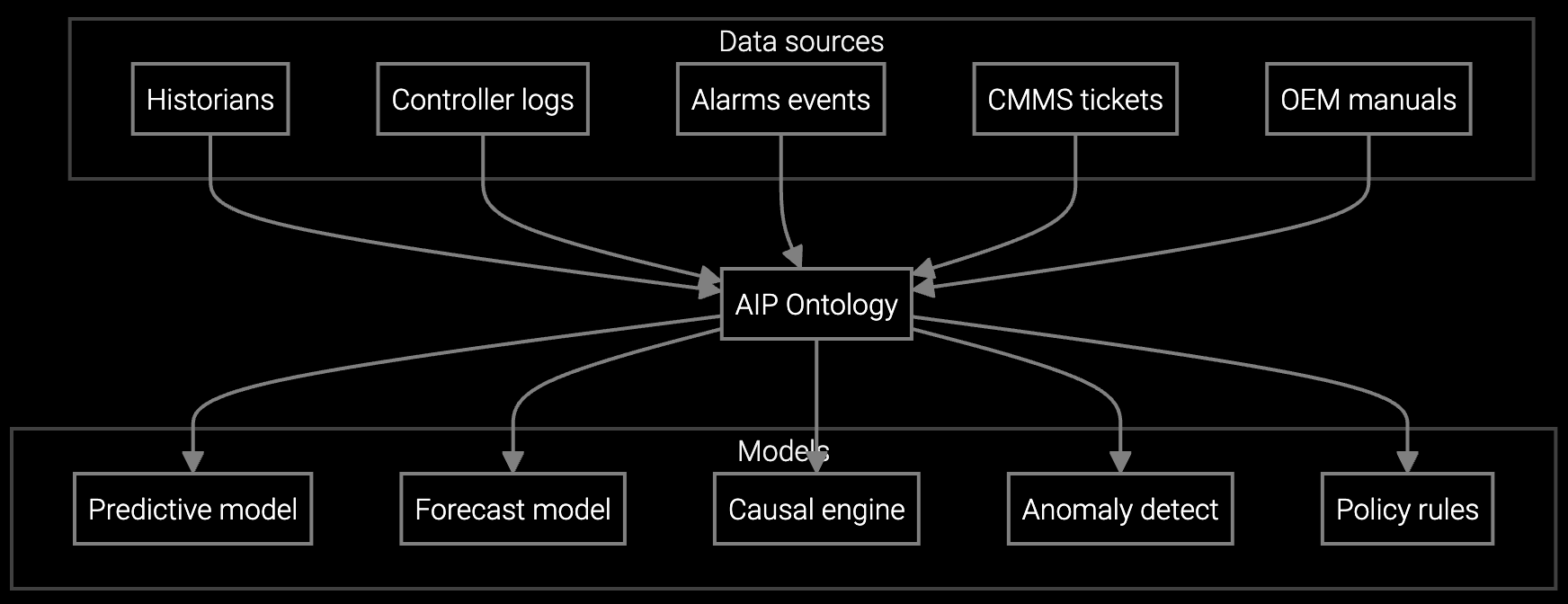
Monitor IoT telemetry from refrigerators and HVAC systems to identify anomalies before customer complaints, reducing warranty exposure.

Estimate when compressors and motors will fail based on usage patterns, enabling proactive service contract offers.
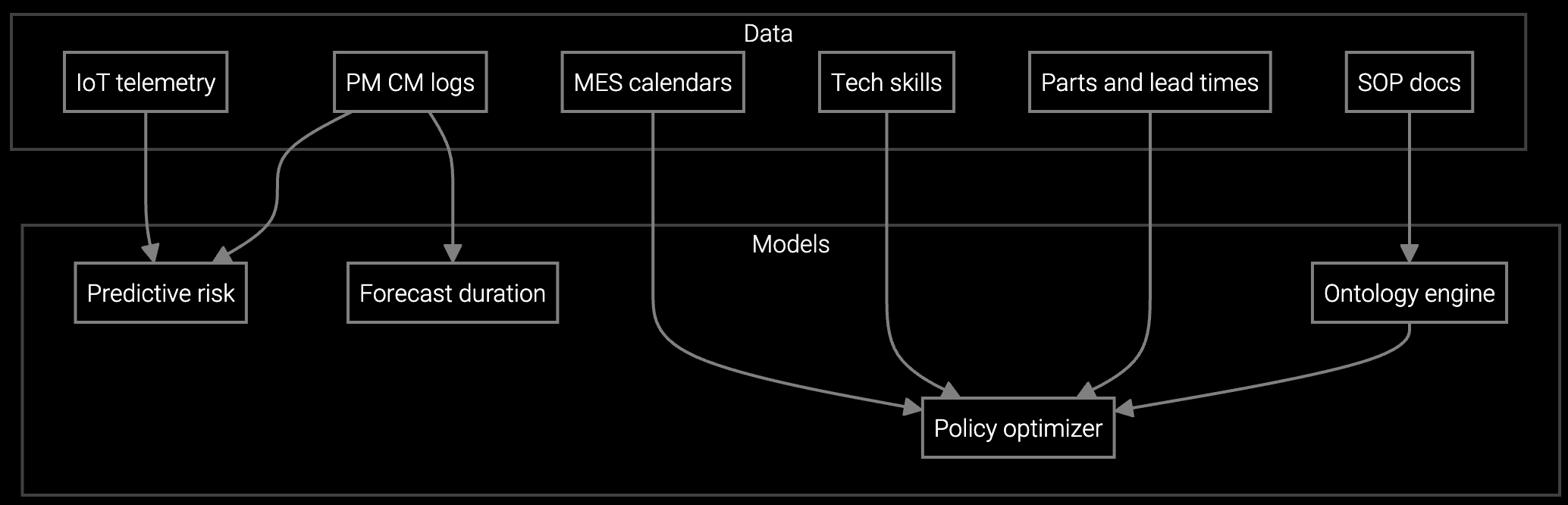
Schedule preventive maintenance for commercial kitchen equipment based on actual condition rather than fixed intervals.
Appliance manufacturers face unique asset tracking challenges due to high SKU proliferation and decades of legacy models still in service. The platform must ingest warranty registration data from multiple channels—retail point-of-sale systems, direct consumer registration portals, and third-party warranty administrators. Connected appliance telemetry arrives through IoT gateways with varying protocols depending on product generation.
Your integration architecture needs to handle seasonal demand spikes—HVAC systems in summer, water heaters in winter—without degrading asset update latency. The AI reconciles incomplete serial number captures from consumer self-registration with service interaction records to build complete asset profiles over time. Configuration tracking must account for field-replaceable IoT modules that change device connectivity without triggering system updates.
The platform requires API access to your warranty management system for registration events and coverage status, IoT telemetry infrastructure for connected appliance data feeds, service ticketing platform for maintenance interaction records, and optionally your ERP system for product shipment dates and model hierarchies. Most implementations connect to 3-5 source systems.
Bruviti deploys asset tracking implementations in 6-8 weeks for appliance manufacturers. The first two weeks focus on data schema mapping and API integration setup. Weeks 3-4 involve initial data ingestion and reconciliation model training. Weeks 5-8 cover user acceptance testing and phased rollout, starting with one product line before expanding to the full installed base.
Yes. The AI builds asset profiles from warranty registration records, service interaction history, and customer self-reported data even for non-connected products. When connected appliances in the same product family generate telemetry, the platform applies learned failure patterns to predict lifecycle events for similar legacy models. This hybrid approach extends predictive capabilities across your entire installed base, not just connected devices.
Track asset data completeness percentage as the foundational metric—measure how many deployed appliances have complete serial number, configuration, and coverage status records. Monitor contract attachment rate improvement by comparing renewal conversion rates before and after implementing coverage expiration alerts. Measure warranty reserve accuracy by tracking variance between forecasted and actual warranty costs as asset visibility improves.
The platform continuously compares IoT telemetry signatures against system-of-record configurations to detect drift. When a refrigerator's firmware version changes without a corresponding service ticket, the AI flags the discrepancy and automatically updates the asset record. For non-connected appliances, the platform infers configuration changes from service interaction patterns and customer-reported symptoms during support contacts.
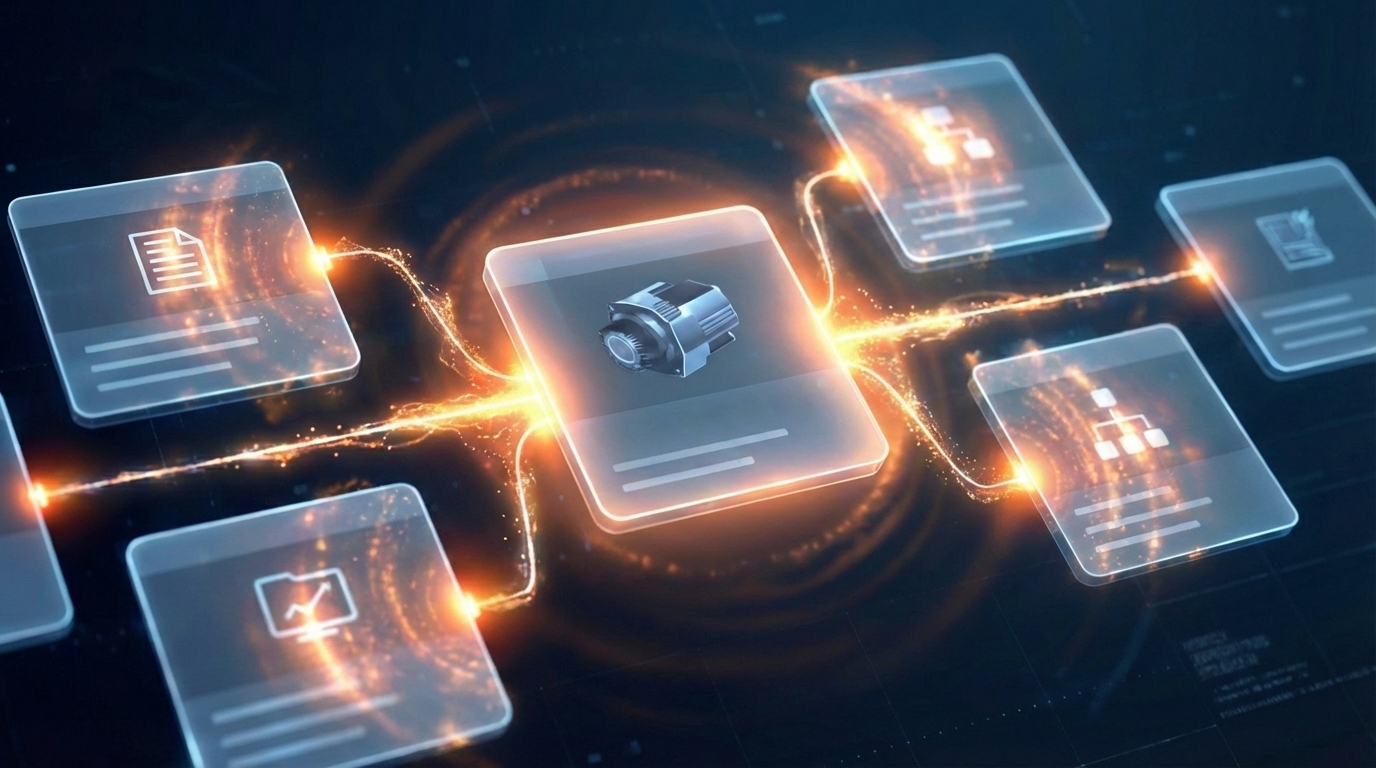
Software stocks lost nearly $1 trillion in value despite strong quarters. AI represents a paradigm shift, not an incremental software improvement.
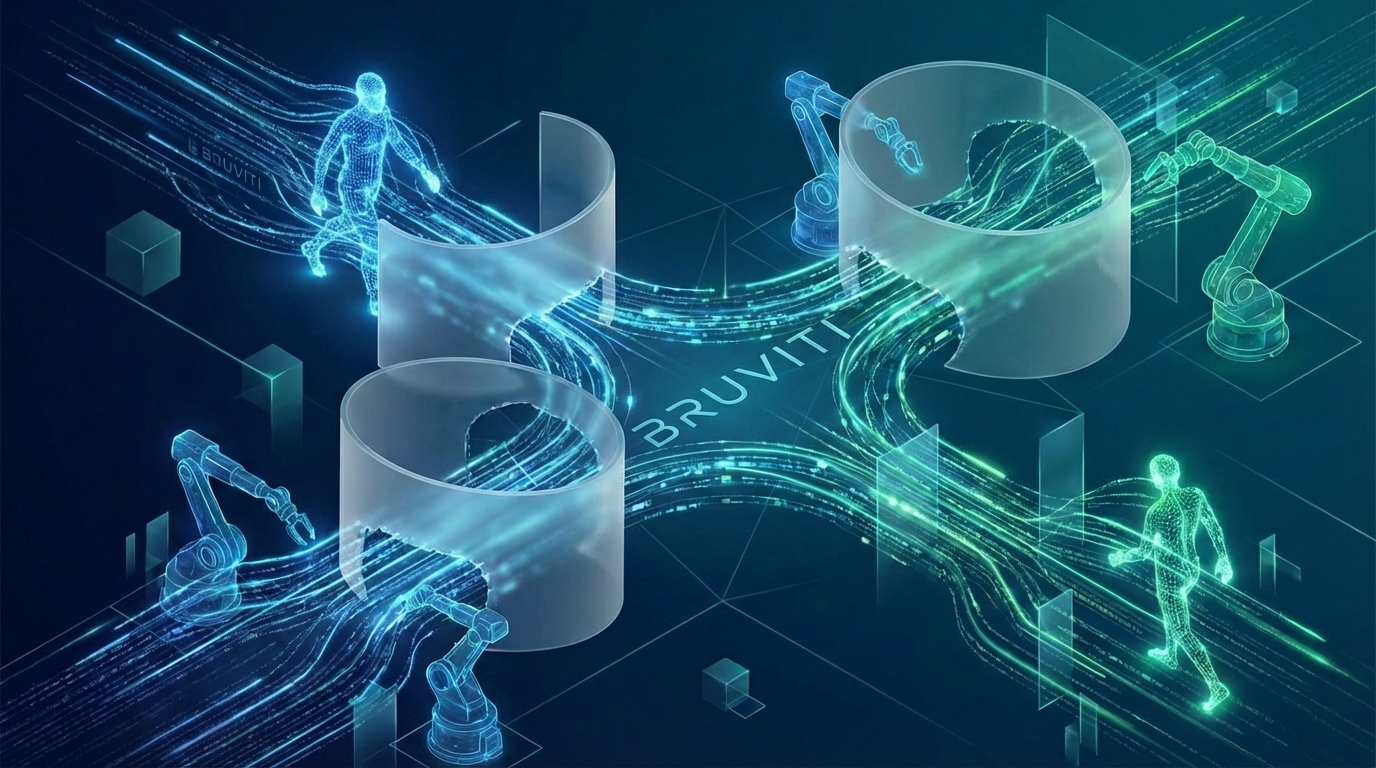
Function-scoped AI improves local efficiency but workflow-native AI changes cost-to-serve. The P&L impact lives in the workflow itself.

Five key shifts from deploying nearly 100 enterprise AI workflow solutions and the GTM changes required to win in 2026.
See how Bruviti integrates with your existing warranty, IoT, and service systems in a 30-minute technical consultation.
Schedule Implementation Review