
Hyperscale operators demand real-time asset visibility—your platform choice determines whether you lead or follow in configuration management.
Bruviti deployment data shows installed-base intelligence cutting MTTR from 7 days to 2 days, with nearly 100 enterprise AI workflows shipped in the last year. For data center OEMs weighing build versus buy, a proven platform delivers fleet-wide asset intelligence faster than an internal program can reach its first reliable result.
Managing thousands of servers across multiple facilities creates visibility gaps. Firmware versions, BMC configurations, and hardware revisions diverge from records as manual updates lag behind actual deployments.
Without accurate asset-to-contract linkage, renewal opportunities slip through. Equipment reaches end-of-support without proactive engagement, leaving revenue on the table and customers exposed to unplanned downtime.
Building asset intelligence in-house requires ML engineers, data scientists, and ongoing model maintenance. Time-to-value stretches into quarters while competitors deploy faster, and internal teams divert focus from core product development.
The build-versus-buy decision hinges on three factors: time to competitive advantage, integration flexibility, and long-term control. Pure build approaches offer maximum customization but demand sustained AI talent investment and delay value realization. Pure buy solutions accelerate deployment but often impose rigid data models that clash with legacy systems and create migration friction.
Bruviti's API-first architecture resolves this tension. Pre-trained models for configuration analysis, lifecycle prediction, and contract attachment deliver immediate value across IPMI telemetry, service history, and entitlement data. Open integration patterns preserve control—your teams extend models, customize workflows, and maintain ownership of proprietary data schemas without vendor dependency.
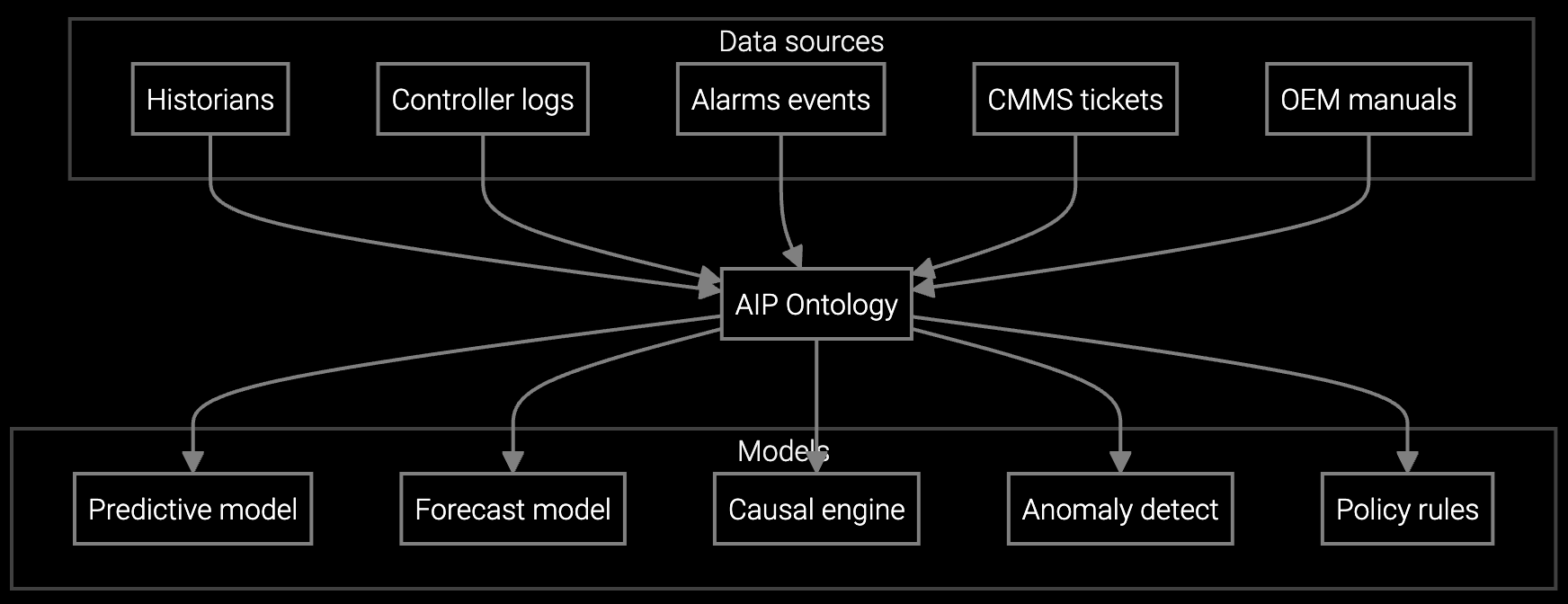
Parse IPMI streams and BMC telemetry to identify thermal anomalies, power supply degradation, and memory errors before they trigger four-nines violations.

Forecast drive failures, RAID controller lifespan, and cooling system capacity based on usage patterns across hyperscale deployments.
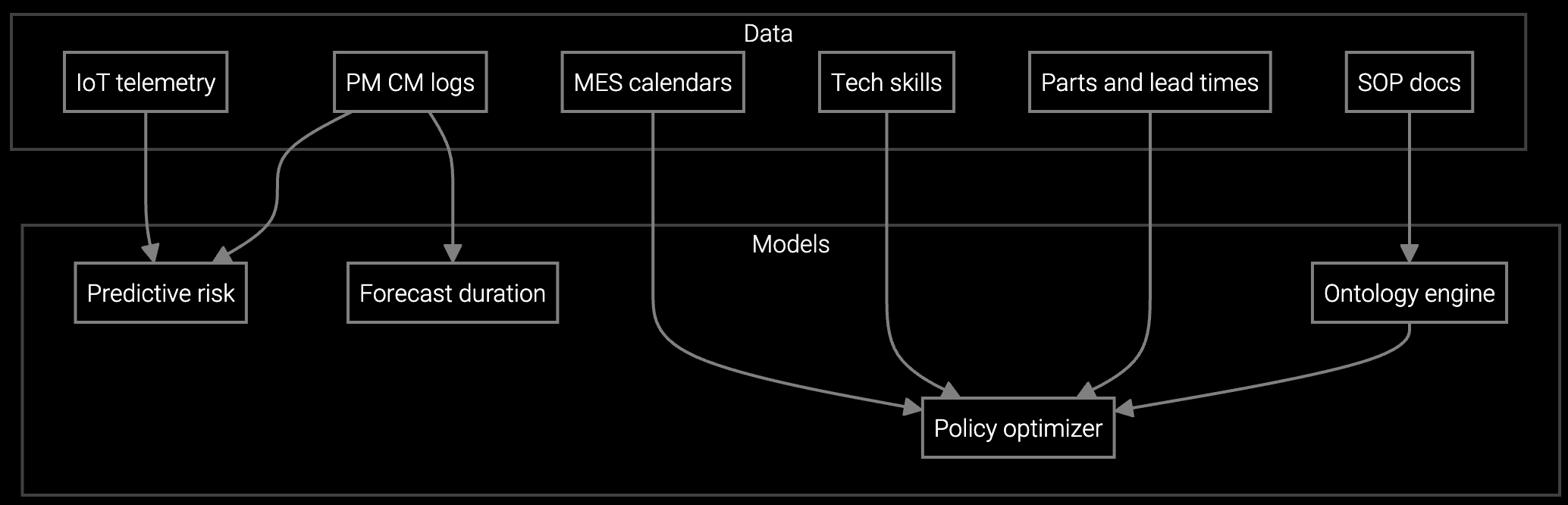
Schedule UPS maintenance, PDU inspections, and server refreshes during planned windows rather than reacting to emergency failures.
Data center OEMs serve customers managing millions of compute nodes where PUE optimization and four-nines availability drive purchasing decisions. Asset intelligence must parse BMC telemetry at scale, track firmware versions across heterogeneous generations, and link configuration state to SLA performance.
The platform ingests IPMI data feeds, correlates hardware changes with thermal events, and flags configuration drift that degrades efficiency. When a RAID controller approaches predicted failure, the system triggers proactive replacement during scheduled maintenance windows—avoiding emergency truck rolls and preserving customer uptime commitments that define competitive differentiation.
Pre-trained models integrate with existing systems in 8-12 weeks versus 18+ months for internal builds. API-first architecture allows phased rollout—start with high-value assets, expand as confidence builds. Time to first insight typically measures in days, not quarters.
Full API access preserves sovereignty. Your teams extend models with proprietary features, customize prediction thresholds, and maintain complete ownership of customer data. Open integration patterns prevent vendor lock-in—migrate to internal systems when strategic priorities shift without data migration penalties.
Internal builds offer maximum customization but require sustained ML engineering investment and delay competitive advantage. Platform approaches accelerate deployment but may impose rigid data models. Hybrid strategies balance speed with control—deploy proven models immediately while preserving flexibility for future innovation.
High-margin equipment with predictable failure patterns and strong contract renewal economics—storage arrays, UPS systems, cooling infrastructure. These assets generate rich telemetry, support proactive maintenance windows, and justify the ROI of predictive analytics through improved uptime and renewal capture.
Track three metrics: contract renewal capture rate, configuration accuracy improvement, and time to deployment. Benchmark against current manual processes—typical improvements include 35% renewal lift, 40% accuracy gain, and 70% faster deployment versus internal builds. Financial impact surfaces in recurring revenue protection and margin expansion.
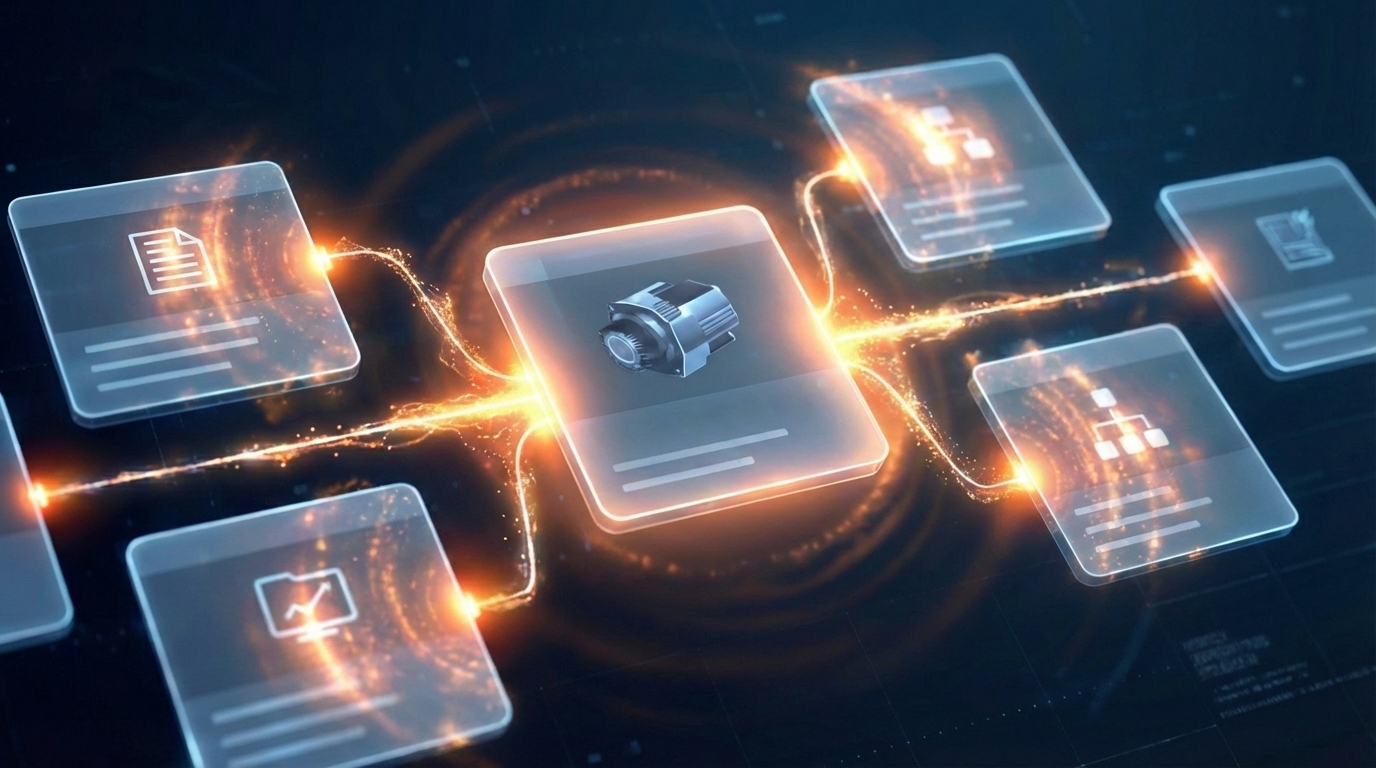
Software stocks lost nearly $1 trillion in value despite strong quarters. AI represents a paradigm shift, not an incremental software improvement.
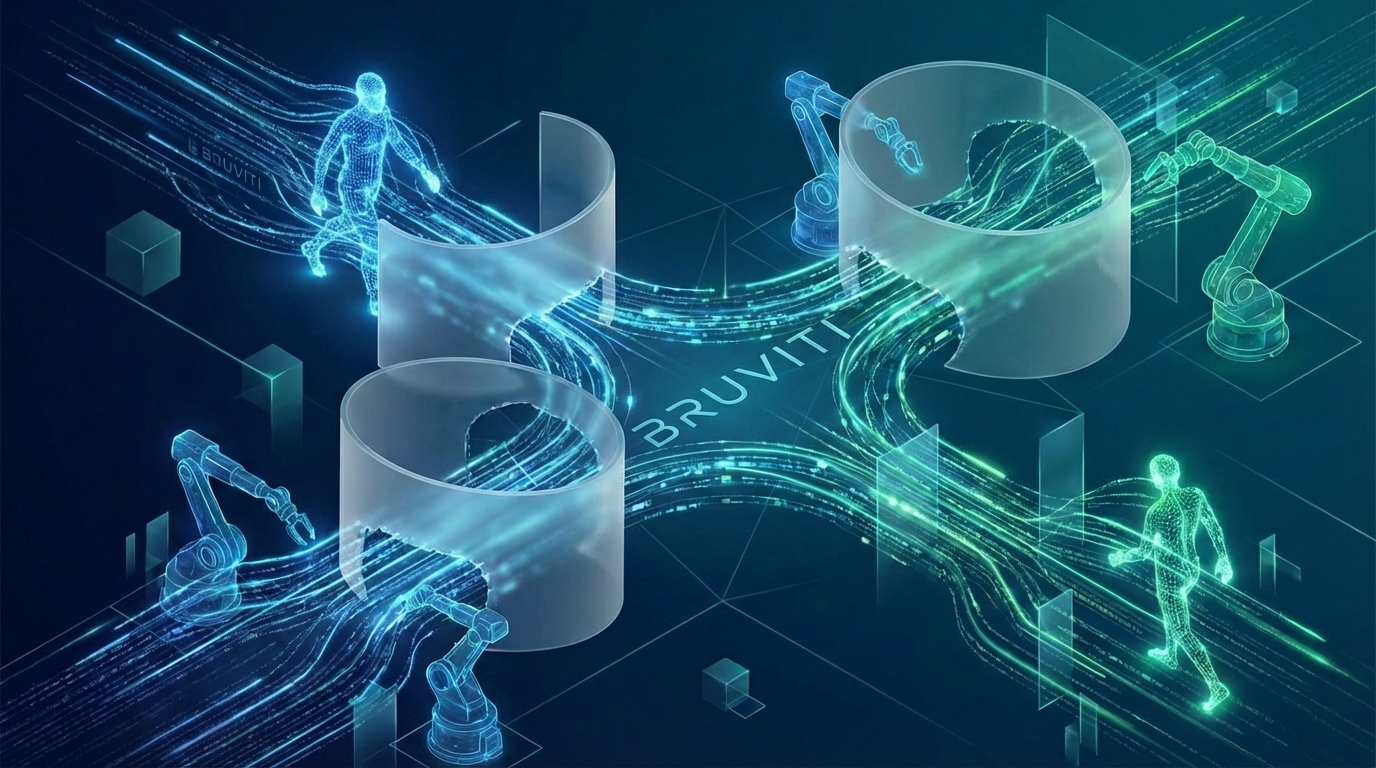
Function-scoped AI improves local efficiency but workflow-native AI changes cost-to-serve. The P&L impact lives in the workflow itself.
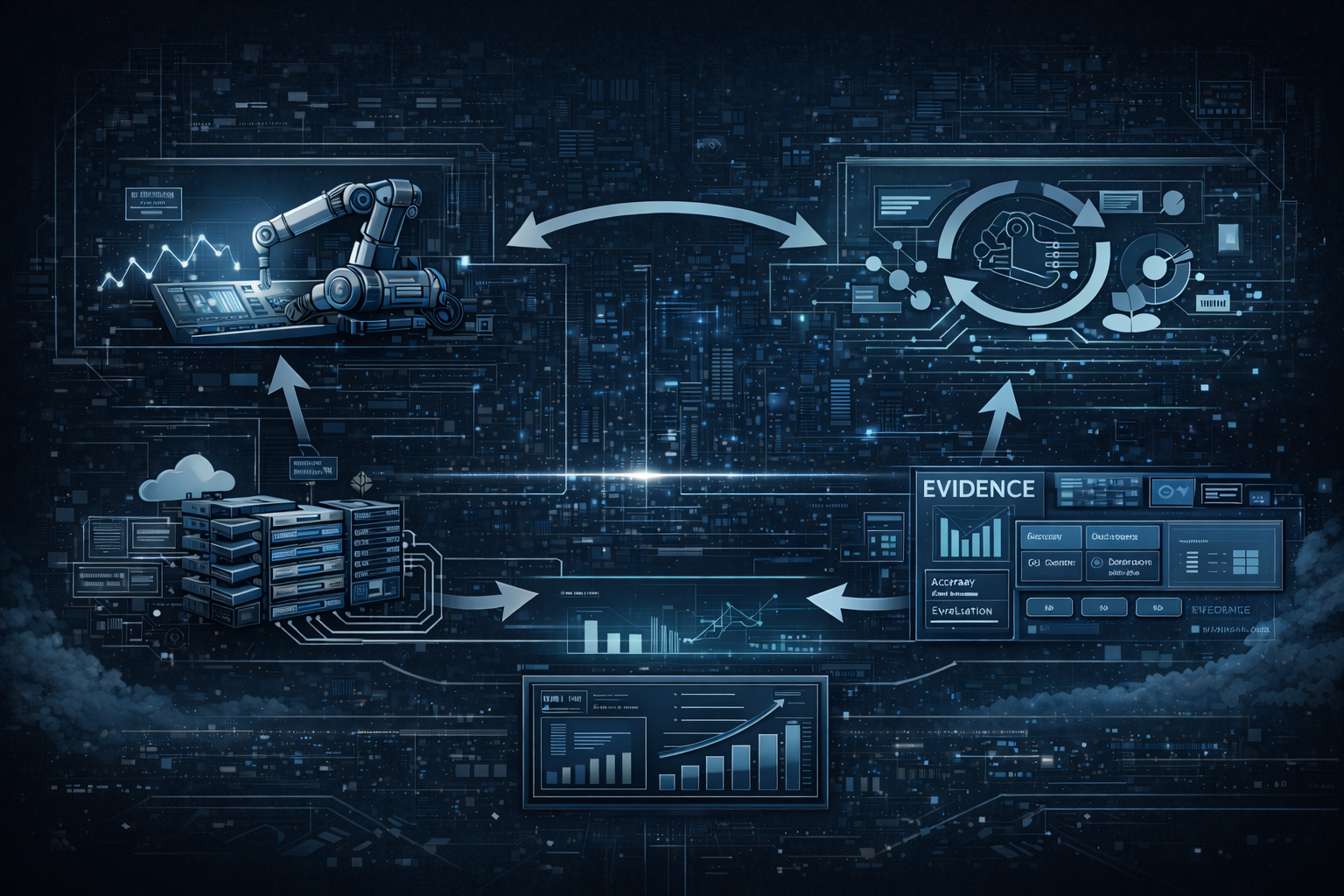
Five key shifts from deploying nearly 100 enterprise AI workflow solutions and the GTM changes required to win in 2026.
Discuss your installed base strategy with our platform architects and explore deployment options that preserve control while accelerating time to value.
Schedule Strategic Consultation