Seasonal spikes and multi-decade product catalogs demand remote diagnostics that scale fast without locking you into inflexible tools.
Hybrid platforms deliver faster deployment than building in-house while avoiding vendor lock-in. API-first architecture lets support teams start with pre-built diagnostics and extend with custom workflows as needs evolve.
In-house development requires hiring AI talent, training models on appliance data, and building integration pipelines. Seasonal HVAC and refrigeration demand hits before systems are ready.
Commercial remote access tools charge per-session fees and restrict integrations. Support teams can't customize troubleshooting flows for connected appliances or legacy equipment.
Support engineers toggle between remote access software, IoT telemetry dashboards, and knowledge bases. Different tools for connected vs. legacy appliances slow resolution.
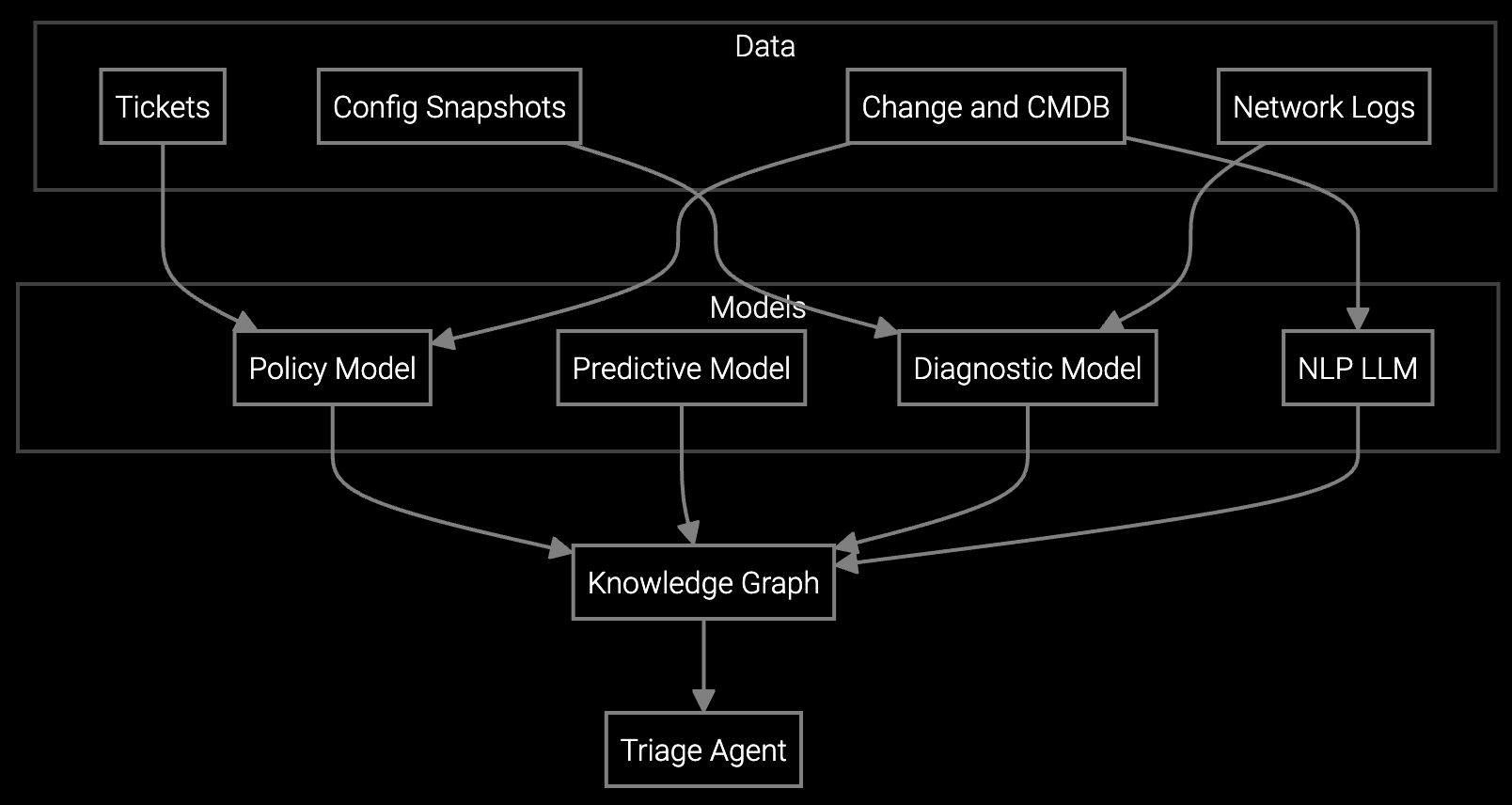
Bruviti's platform combines pre-built remote diagnostics with open APIs, letting support teams deploy proven models immediately while maintaining full customization control. Support engineers use AI-powered log analysis and guided troubleshooting on day one, then extend workflows with custom appliance-specific logic as requirements evolve.
The architecture integrates with existing remote access tools, IoT telemetry feeds, and knowledge bases through standard APIs. Support teams avoid per-session vendor fees while preserving the flexibility to switch providers or build custom connectors. Pre-trained models understand appliance symptom patterns, error codes, and seasonal failure modes without months of in-house training.
Appliance manufacturers face unique remote support constraints: multi-decade product lifecycles demand diagnostics for equipment installed before IoT connectivity existed, while seasonal demand spikes require immediate scale without infrastructure delays. Consumer expectations for same-day resolution clash with thin service margins, making inefficient remote sessions financially unsustainable.
The hybrid approach addresses these constraints by delivering pre-built symptom analysis for legacy appliances while supporting custom telemetry parsing for connected products. Support engineers resolve HVAC failures during summer peaks and refrigeration issues during holidays using the same unified interface, avoiding tool-switching delays that erode first-call resolution rates.
Most appliance OEMs deploy pre-built remote diagnostics in 4-6 weeks, starting with a pilot on one product line. Integration with existing remote access tools and IoT telemetry feeds happens in parallel. Full-scale rollout across all appliance categories typically completes within 3-4 months, well ahead of seasonal demand peaks.
API-first architecture lets support teams integrate any remote access tool, telemetry source, or knowledge base without proprietary connectors. Data remains in your systems, and custom workflows run on your infrastructure. You can replace the platform or build alternative connectors without retraining models from scratch.
Pre-trained models understand appliance symptom descriptions, error codes, and troubleshooting patterns from decades of service history. Support engineers enter symptoms or error codes, and AI surfaces relevant diagnostic steps, parts predictions, and resolution guidance even without real-time telemetry. This eliminates manual searching through 500-page service manuals.
Traditional build projects require 18-24 months and specialized AI talent to reach production. Pure buy solutions lock teams into per-session pricing and rigid workflows. Hybrid platforms deliver immediate value through pre-built models while preserving full customization through open APIs. Teams avoid upfront development delays and ongoing vendor fees.
Track remote resolution rate improvement, session duration reduction, and escalation rate changes over the first 90 days. Compare per-session support costs before and after deployment to quantify margin impact. Monitor seasonal peak performance to validate scale capacity. These metrics inform expansion decisions across additional product lines.
Software stocks lost nearly $1 trillion in value despite strong quarters. AI represents a paradigm shift, not an incremental software improvement.
Function-scoped AI improves local efficiency but workflow-native AI changes cost-to-serve. The P&L impact lives in the workflow itself.
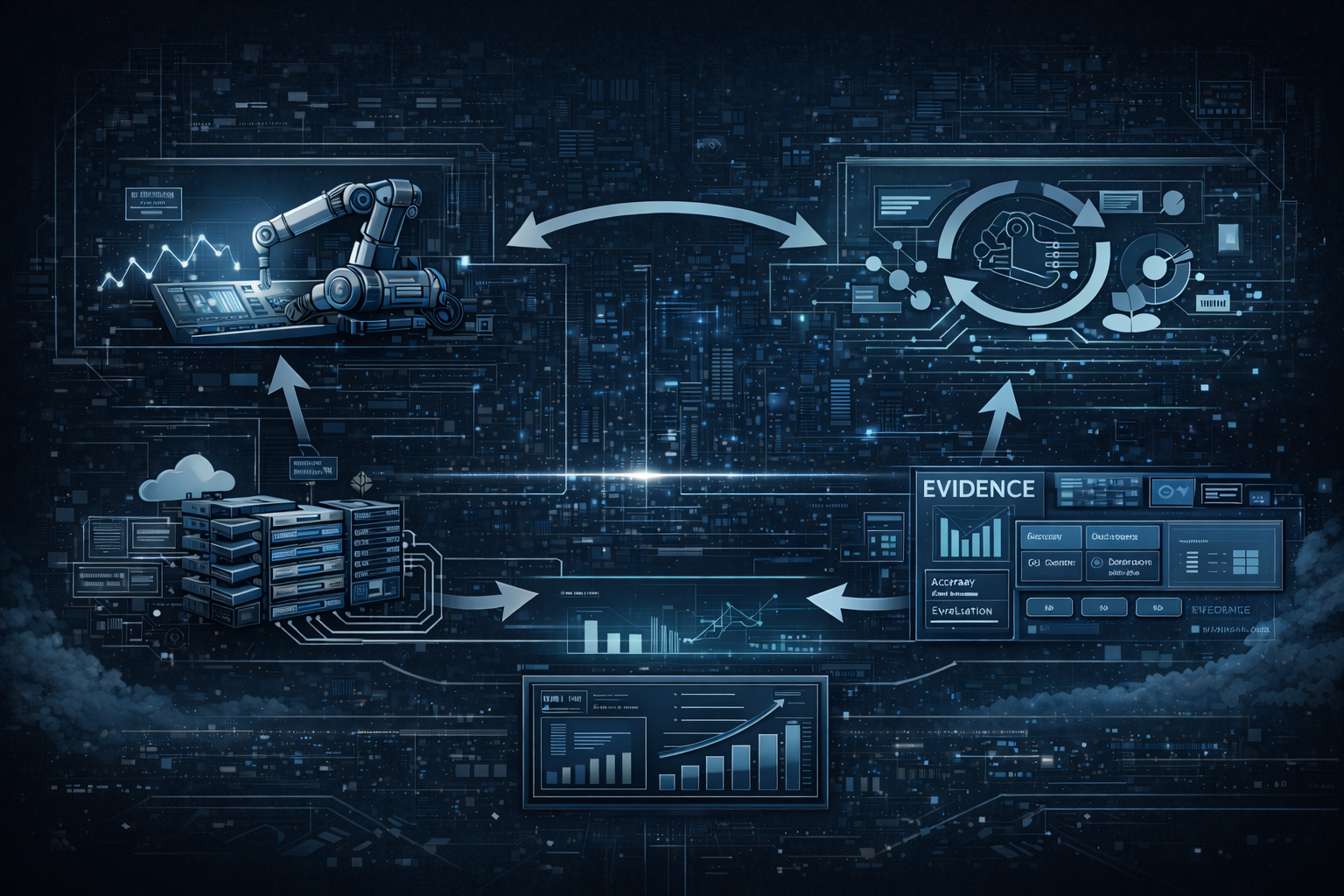
Five key shifts from deploying nearly 100 enterprise AI workflow solutions and the GTM changes required to win in 2026.
See how Bruviti delivers pre-built diagnostics with full customization control in a 30-minute platform demo.
Schedule Demo